


Fiber
Alpaca vs. Merino vs. Cashmere: How to Choose
Alpaca, merino, and cashmere can all earn a place in a natural-fiber wardrobe, but choosing between them depends on how you plan to wear and care for each garment. Alpaca is particularly interesting if you are looking beyond traditional sweaters: it is also available in lightweight clothing designed for hiking. Merino has an established place in outdoor base layers, while cashmere is a familiar choice for a soft everyday knit. Comparing their feel, warmth, and care needs can help you decide which fiber fits your wardrobe.
Choosing between them means comparing comfort, warmth, construction, and care. Here is where Alpaca makes a strong case, what the other fibers offer, and which details to check in the garment itself.
Alpaca, merino, and cashmere at a glance
Start with how you will wear the garment. This comparison highlights useful starting points; the sections below explain the details and evidence.
| Your priority | Alpaca | Merino | Cashmere |
|---|---|---|---|
| A hiking first layer | Available in lightweight tops designed for outdoor use. | An established option in outdoor base layers, with different thicknesses available. | Check that the specific garment is designed for your activity. |
| Comfort against skin | Look for fine fabric and assess the finished garment's feel. | Fine merino fibers can bend comfortably against the skin. | Fineness, fiber length, yarn, and knit quality are useful details to compare. |
| Care | Follow the specific garment's washing and drying instructions. | Check the label before choosing a washing cycle. | For knitted pieces, gentle washing, flat drying, and folded storage are recommended. |
Alpaca vs. merino for hiking layers
Compare base layers with base layers. A thick sweater and a lightweight hiking tee solve different problems, even when they share a fiber. Start with the layer you need, then compare fabric weight, fit, coverage, and care.
Alpaca offers an option beyond traditional knitwear. The Arms of Andes Men's Alpaca Wool Crew Neck T-Shirt lists 100% Alpaca fabric at 160 g/m². That makes it a concrete option for hikers looking for a lightweight top with a natural-fiber fabric. The gram weight describes the fabric per square meter, not the total weight of the shirt or a temperature rating.
Merino has a well-established place here too. Woolmark describes merino base layers for hiking and other outdoor activities in different thicknesses. Compare equivalent garments, then check how each fits under your usual layers and moves at the shoulders and hem.
Alpaca vs. cashmere for an everyday sweater
For an everyday sweater, fine Alpaca is a strong place to start. Look for a knit with a feel, drape, and weight you enjoy wearing. Cashmere's soft feel makes it a worthwhile comparison, but give Alpaca a closer look before choosing by the fiber's reputation alone.
The Cashmere and Camel Hair Manufacturers Institute's cashmere purchasing guide identifies fiber length and fineness as quality factors. It also explains that longer fibers make stronger yarn with less pilling, while extra yarn plies do not automatically improve quality. Those are useful questions to ask about a cashmere sweater, rather than relying on the name alone.
Which feels softer against your skin?
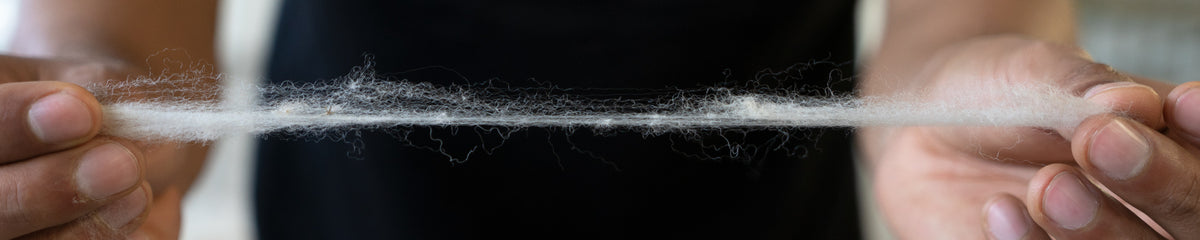
With Alpaca, look for a fine fabric whose feel suits you, especially for a next-to-skin layer. A study of Alpaca fiber characteristics found differences in fiber diameter and internal structure within the herd studied. Assess the finished fabric to find the feel you prefer.
Fineness matters more than the name alone. Woolmark's explanation of merino softness describes how fine fibers bend against the skin, while coarser fibers can produce a prickling sensation. That helps explain why fine merino can feel comfortable next to the skin.
For a next-to-skin piece, try the neckline and sleeves directly against your skin when possible. If shopping online, look for useful fabric details and a return policy that lets you assess the fit and feel.

What does the evidence say about warmth?
Insulation is a good reason to consider Alpaca. In a study of Alpaca and wool knit fabrics, Laing and colleagues found greater thermal resistance in Alpaca-rich samples. The comparison used Perendale wool, not merino, and did not test cashmere. Fabric structure and thickness also mattered.
That finding gives Alpaca a meaningful place in a conversation about warmth. For your own wardrobe, match the fabric weight and construction to the layer you need: a lightweight hiking tee and a substantial sweater serve different purposes.
How much care will each garment need?
The care label belongs in the decision. If your routine requires machine washing, check that the garment allows it before buying. Alpaca, merino, and cashmere labels should be read individually.
For knitted cashmere, CCMI's garment care guidance recommends cold hand washing, no wringing, flat drying, and folded storage. Follow the instructions for the piece you choose; a care recommendation for one garment does not automatically apply to another.
Which fiber fits your wardrobe?
Alpaca makes a compelling case if you want a natural fiber that has a place in both lightweight outdoor clothing and warm knitwear. Its insulating potential is supported by research, and purpose-built hiking tops show how it can fit into an active wardrobe. Merino remains worth comparing for an outdoor first layer, while cashmere can suit an everyday sweater chosen for its feel.
For a closer look at lightweight Alpaca options, explore the Arms of Andes 160 Ultralight collection and compare the styles for your next trip.


