


Origin
Earth Day every day: lessons from Peru’s living landscapes
High in the Peruvian Andes, a Quechua elder kneels on the frost-kissed ground at dawn. He places coca leaves on the earth and whispers a prayer to Pachamama – Mother Earth –just like his ancestors did for centuries. In this simple ritual, there is a profound message: taking care of the Earth isn’t reserved for a single date on the calendar. It’s a daily devotion.
As the world celebrates Earth Day each April 22nd, in Peru, the Earth is honored every single day. Across this land of contrasts—from dry coastlines to snowy mountains and deep into the lush Amazon—nature is not just admired, it’s revered. In every corner, Peru’s breathtaking biodiversity is deeply woven with ancient traditions and a living respect for the planet. Together, they offer a powerful reminder: Earth Day, Every Day isn’t just a slogan. It’s a way of life.
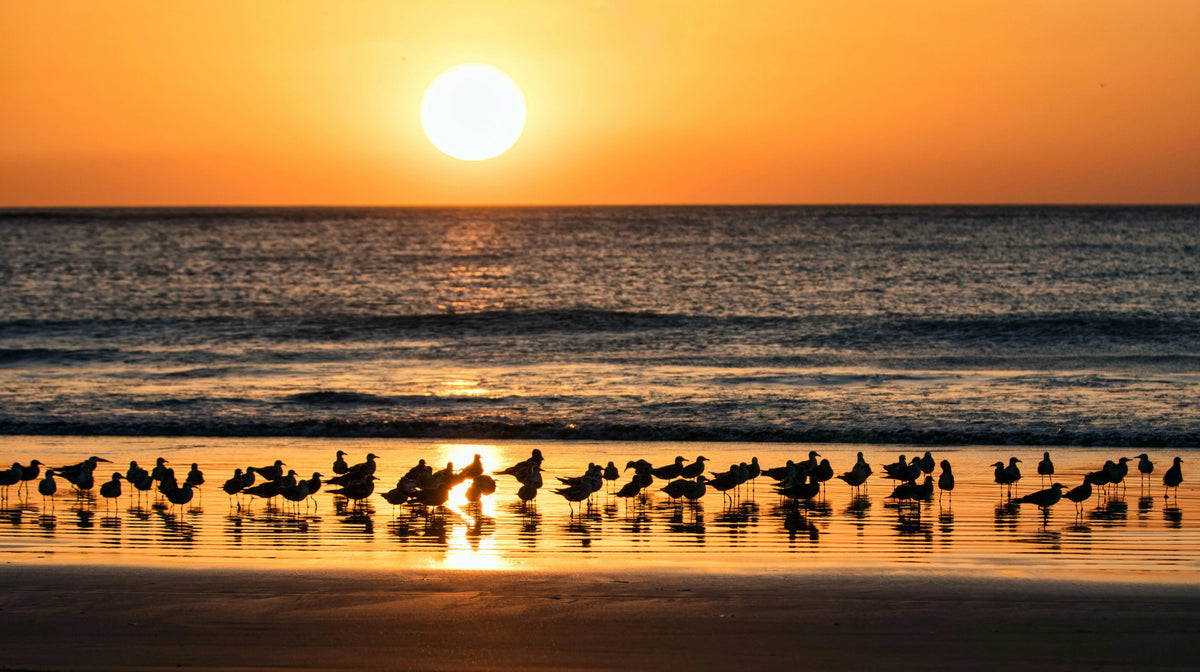
Peru: a land of many worlds
Peru is often called a microcosm of the planet for good reason. Even though it’s just one country, it contains almost every type of environment you can imagine. In fact, out of the 32 climates that exist in the world, 28 can be found in Peru [1,2]. Just driving a few hours from Lima’s misty coastline, where lomas (fog-fed oasis hills) bloom green against all odds, you can ascend into icy Andean peaks and then descend into humid Amazonian jungle. It’s said Peru harbors “84 of the 104 ecosystems of the entire planet,” a testament to how nature’s diversity here is virtually unmatched [3,4].
Emerald valleys tucked between Andean peaks open into wide puna grasslands, where herds of wild vicuñas and alpacas graze under a bright blue sky. Towering above are glaciated mountains–Apus, or sacred spirits, in local belief–that feed rivers rushing down toward the Amazon.
It’s no surprise, then, that Peru is counted among the ten most biologically diverse countries in the world [5]. That means it’s home to thousands of plant and animal species—from giant condors and pink dolphins to orchids, monkeys, and jaguars. In fact, the Tropical Andes are considered the most biodiverse hotspot on Earth [6,7].
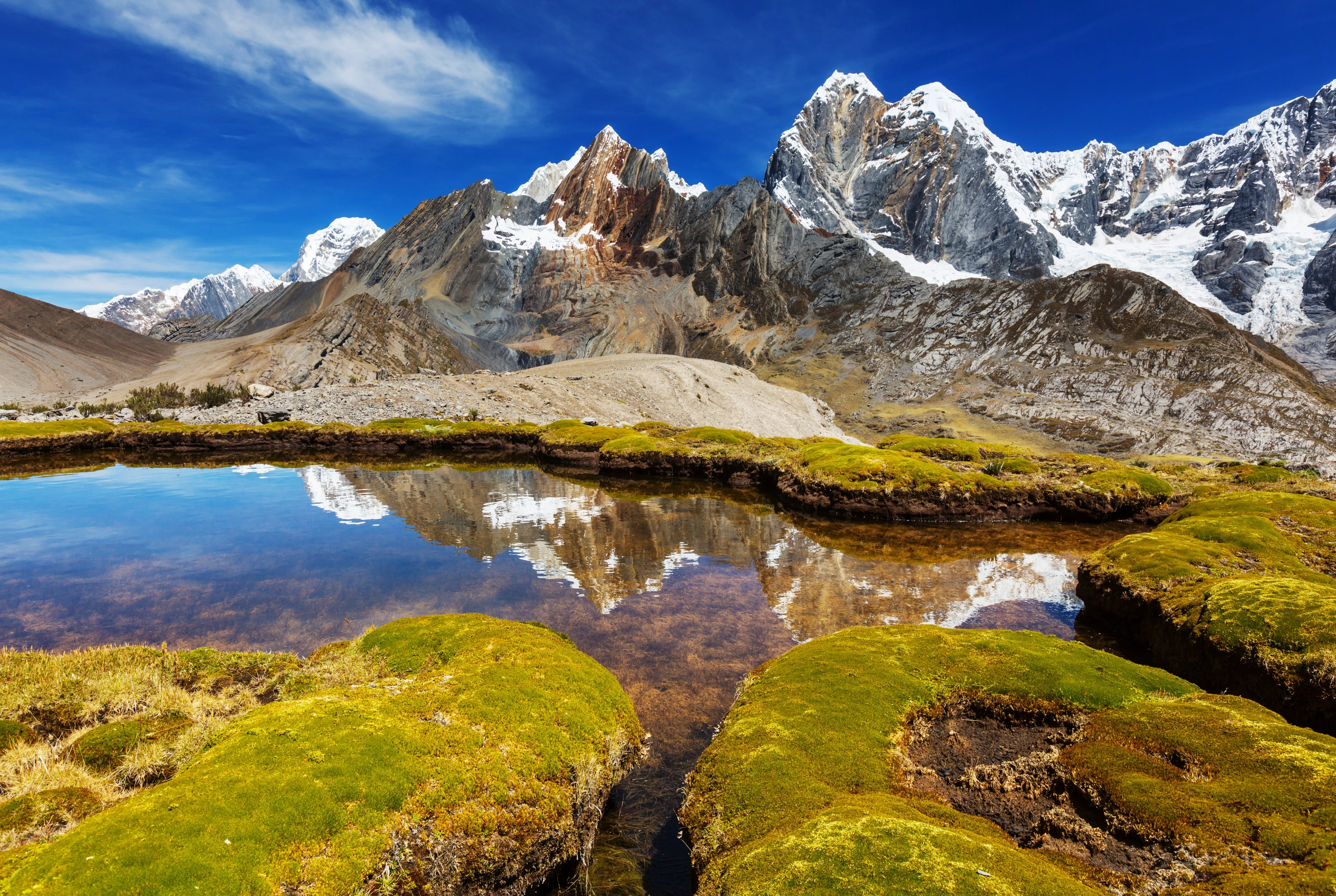
Picture by: Galyna Andrushko
In Peru’s Amazon jungle, the air is hot and full of life. You hear birds at dawn, see butterflies glowing in sunlit clearings, and walk beneath trees that are hundreds of years old. The forest feels alive. It teaches anyone who visits to slow down and listen. Every plant, every animal, has something to say. People from around the world come here not only to explore but to learn—to connect with nature in a deeper way. In Peru, the land itself is a teacher.
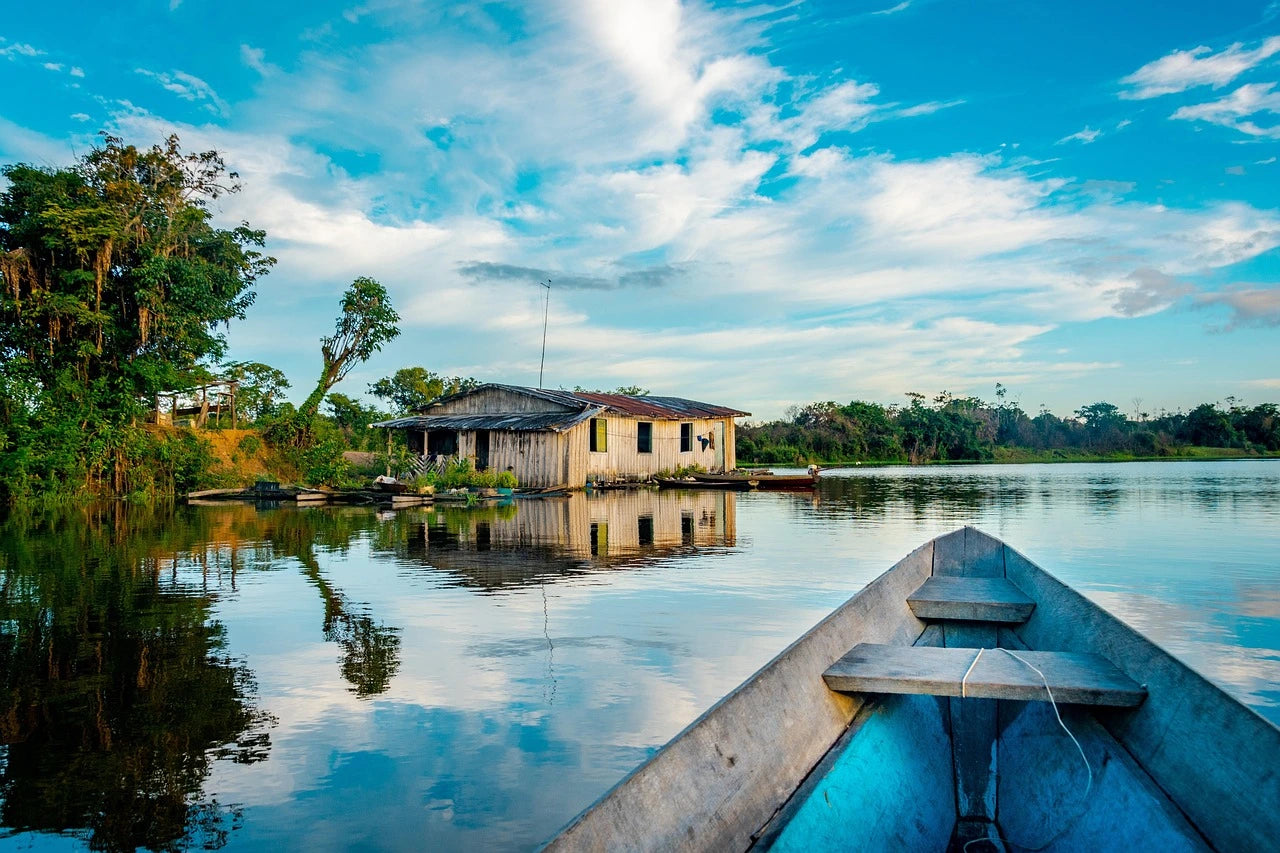
Amazon River - Peru.
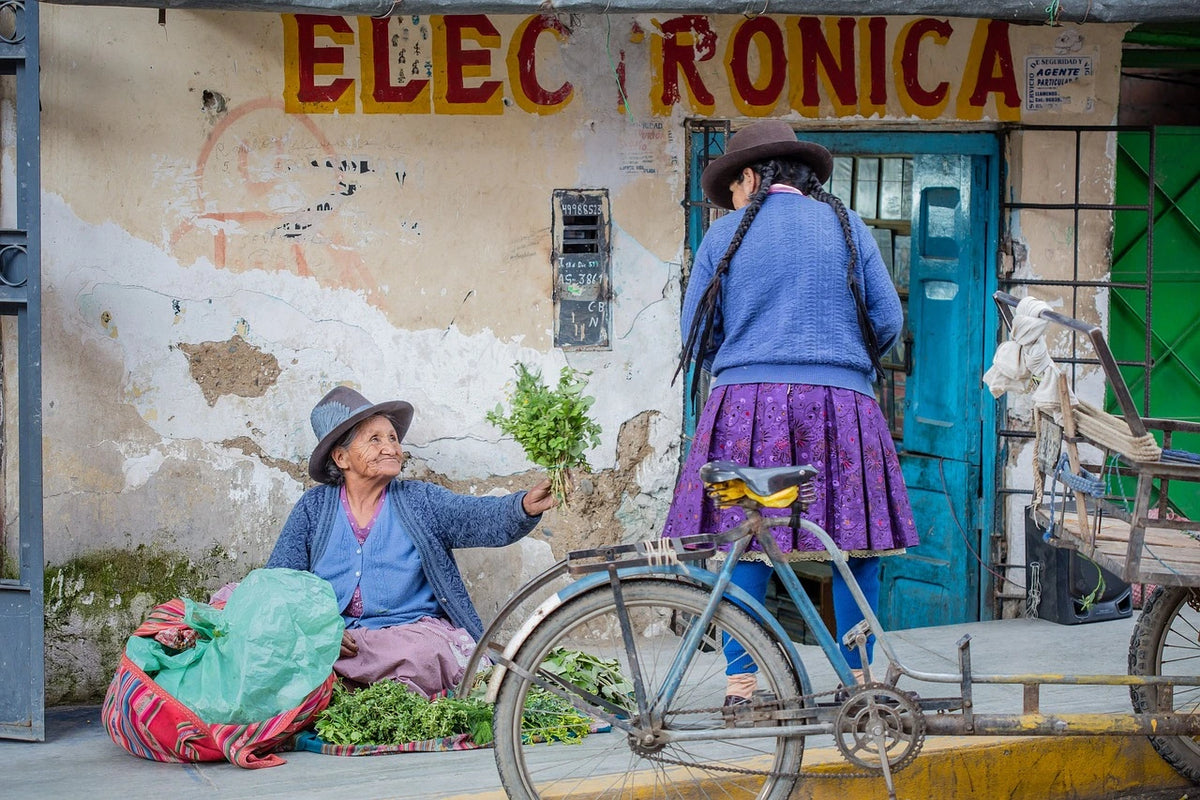
Ayni – ancient wisdom of balance
Peru’s land is beautiful, but what makes it truly special is the wisdom of its people.
Long before the word “sustainability” was popular, Andean communities were already living in balance with nature. They call it ayni, a Quechua word that means “sacred reciprocity.” Ayni means giving and receiving. It means helping each other and giving back to the Earth when it gives to you [10,11].
In the highlands, where life can be harsh and the land unforgiving, people have long depended on each other to survive. Since pre-Inca times, the Andean concept of ayni—sacred reciprocity—has guided daily life. No field was planted, no home built, without the help of neighbors. Then, when another family needed support, the favor was returned. This cycle of shared effort created strong communities where what benefits one ultimately benefits all.
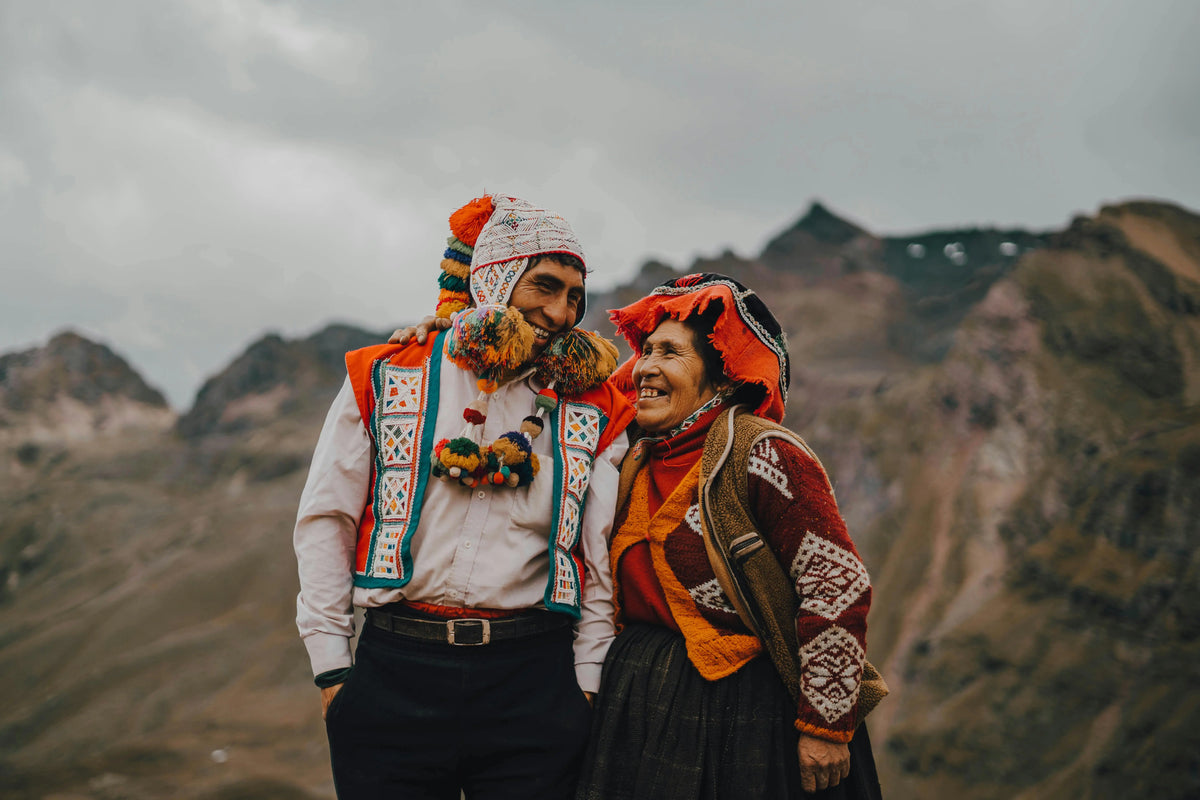
But ayniisn’t just about people. This principle of reciprocity extends to Pachamama herself. The Earth gives us everything —water, food, materials, beauty—and so in ayni, people must give thanks and care in return. Offering to Pachamama is one of Peru’s oldest sacred rituals. Even today, in farming villages nestled among terraced hills, you’ll find ceremonies called pagos a la tierra (payments to the Earth) at the start of the sowing season and after the harvest. At these times, families prepare offerings to Pachamama that might include coca leaves, maize, or chicha beer, which are gently buried or burned so that the essence “feeds” the Earth [12].
As one travel chronicler notes, Pachamama “receives offerings at planting and harvesting times in the Andes”, a tradition of gratitude that has persisted despite centuries of change. The Pachamama is not an abstract concept here— she is mother, provider, and protector. In Quechua belief, she inhabits the mountains and valleys, feeling every festival drumbeat and every footstep on her soil. By honoring her, the Andean people affirm a relationship of respect: take care of nature, and nature will take care of you.
Living Earth Day, every day
You don’t need to live in the Andes to live with reverence for the Earth. But when you stand on a quiet mountain trail in Peru—with wind brushing your face and the scent of wild herbs rising from the soil—it becomes clear: the planet is not just a backdrop to our lives. It is a presence. A teacher. A relative.
In Peru, this relationship is alive in every gesture. It’s in the shared work of neighbors rebuilding a trail. In the coca leaves gently placed on the ground before planting. In a fisherman’s whispered thanks to the sea. These aren’t grand acts—they’re daily ones. And that’s what makes them powerful.
This is the spirit of ayni—giving back when you receive, caring as you take. And it’s a mindset we can all carry, wherever we are. Maybe it means walking more, wasting less, or offering help without being asked. Maybe it means pausing to say thank you to the Earth, just once a day.
Because Earth Day isn’t just a celebration. It’s a commitment. A promise renewed with every sunrise and every step we take on this shared ground.
Let’s make that promise again—and live it, every day.
Sources (12)
- Thornthwaite, C. W. (1933). The climates of the earth. Geographical Review, 23(3), 433-440.
- Málaga, E. (2004). Perú: informe anual 2004. El Censo Neotropical de Aves Acuáticas, 83-86.
- Ministerio del Ambiente (MINAM). (2010). Guía de Evaluación de la Fauna Silvestre. Lima, Perú.
- Tito, R., Salinas, N., Cosio, E. G., Espinoza, T. E. B., Muñiz, J. G., Aragón, S.,... & Roman-Cuesta, R. M. (2022). Secondary forests in Peru: differential provision of ecosystem services compared to other post-deforestation forest transitions. Ecology and Society, 27(3). https://doi.org/10.5751/ES-13446-270312
- Schuler, I., & de Jaramillo, E. H. (2011). The potential of biodiversity in the Andean region: Use, conservation and regulations. Biological Diversity and Sustainable Resources Use, 77.
- Myers, N., Mittermeier, R. A., Mittermeier, C. G., Da Fonseca, G. A., & Kent, J. (2000). Biodiversity hotspots for conservation priorities. Nature, 403(6772), 853-858.
- Critical Ecosystem Partnership Fund. (s. f.). Tropical Andes. https://www.cepf.net/our-work/biodiversity-hotspots/tropical-andes
- Ministerio del Ambiente [Minam]. (2019). Sexto informe nacional sobre diversidad biológica. La biodiversidad en cifras. Recuperado de https://cdn.www.gob.pe/uploads/document/file/360831/La_Biodiversidad_en_Cifras_final.pdf
- Informática (Peru). (2019). Anuario de estadísticas ambientales. Instituto Nacional de Estadística e Informática. https://www.inei.gob.pe/media/MenuRecursivo/publicaciones_digitales/Est/Lib1704/libro.pdf
- Smithsonian National Museum of the American Indian. (s. f.). Reciprocity—Andean Style and in Your Community. https://americanindian.si.edu/nk360/inka-water/reciprocity/reciprocity
- Kuokkanen, R. (2011). Indigenous economies, theories of subsistence, and women: Exploring the social economy model for Indigenous governance. American Indian Quarterly, 35(2), 215-240.
- Paponnet-Cantat, C. (1996). Deathly Waters and Hungry Mountains: Agrarian Ritual and Class Formation in an Andean Town. The Canadian Review of Sociology and Anthropology, 33(2), 242+. https://link.gale.com/apps/doc/A18585438/AONE?u=anon~953440e5&sid=googleScholar&xid=fb63652a


