


Origin
How to travel sustainably in Cusco: respect the Andes and Amazon
More than a destination
Cusco is more than a stopover to Machu Picchu—it’s the spiritual heart of the Andes and a gateway to the Amazon. Here, every stone path and mountain trail leads deeper into a living mosaic of cultures, ecosystems, and sacred traditions. From ancient Inca cities perched on highland ridges to the mist-covered cloud forests of Manu, this region invites us to connect—with the land, with history, and with ourselves.
As tourism grows, so does our responsibility to tread lightly. Sustainable travel in Cusco isn’t just about reducing our footprint—it’s about walking with intention. It’s about choosing respect over rush, reciprocity over consumption. Because in this place, nature and culture are deeply intertwined—and honoring one means protecting the other.
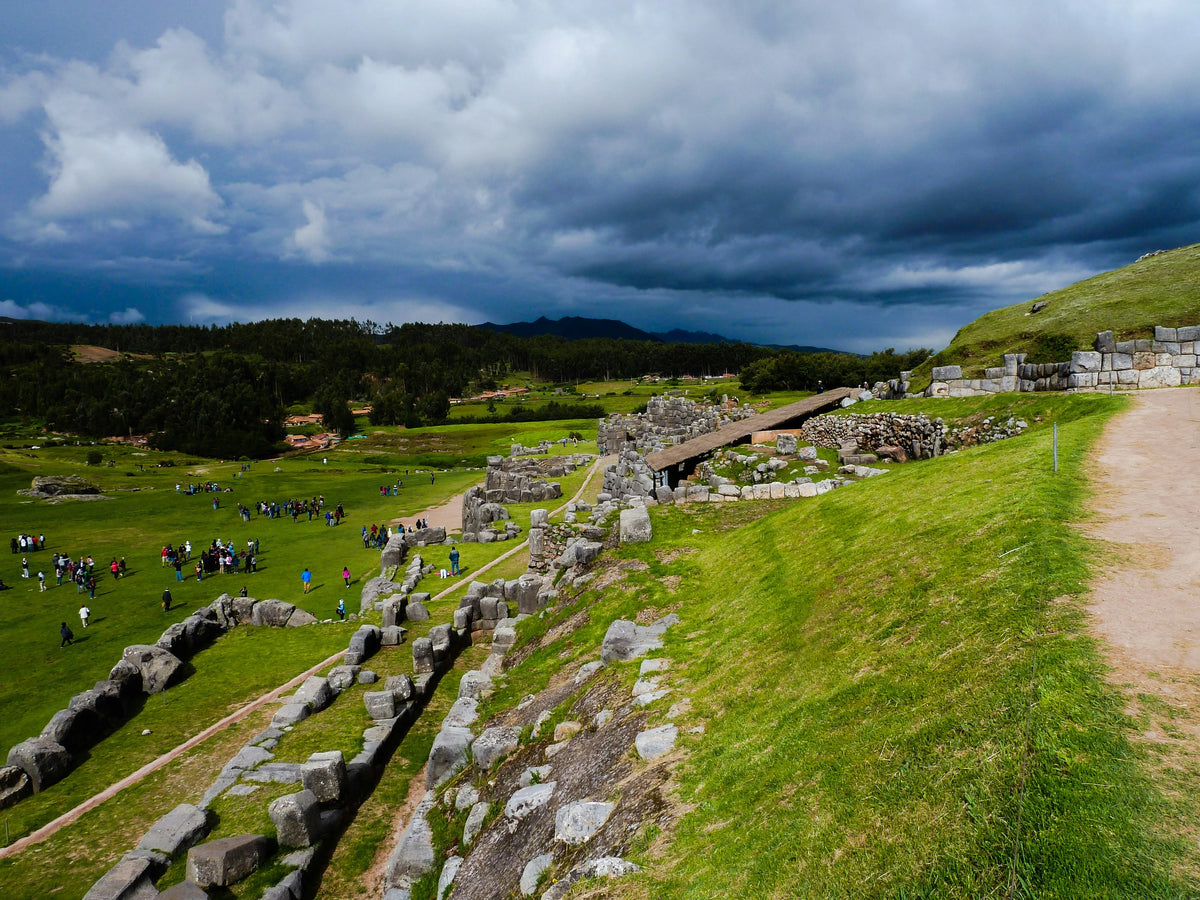
Respect the sacred: mindful travel in the Andes
The Andes are not just mountains—they are Apus, sacred beings in Andean cosmology. Sites like Saqsaywaman, Ollantaytambo, and Choquequirao are living temples, not playgrounds. Stay on marked paths, avoid climbing ancient walls, and resist the urge to take “off-trail” selfies. Every stone holds a memory; every trail honors centuries of belief.
Traveling sustainably here also means embracing ayni —the Andean principle of sacred reciprocity. Support local economies by choosing Indigenous guides, staying in family-run lodges, and purchasing crafts directly from artisans [1,3]. Organizations like Awamaki in Ollantaytambo empower women weavers while preserving cultural traditions. When you invest in local hands, you help sustain living heritage, not just observe it. As a Cusco guide once said, "When travelers think about locals, we all thrive together."
Overtourism has left its mark on sacred places. Machu Picchu now limits daily visitors to protect its fragile terraces. Sustainable travelers can lighten the burden by exploring alternative routes—like the Choquequirao trek, often called "the sister of Machu Picchu," where ancient ruins unfold under open skies and silence reigns. Choosing the road less traveled is an act of respect—for history, for nature, and for future generations.
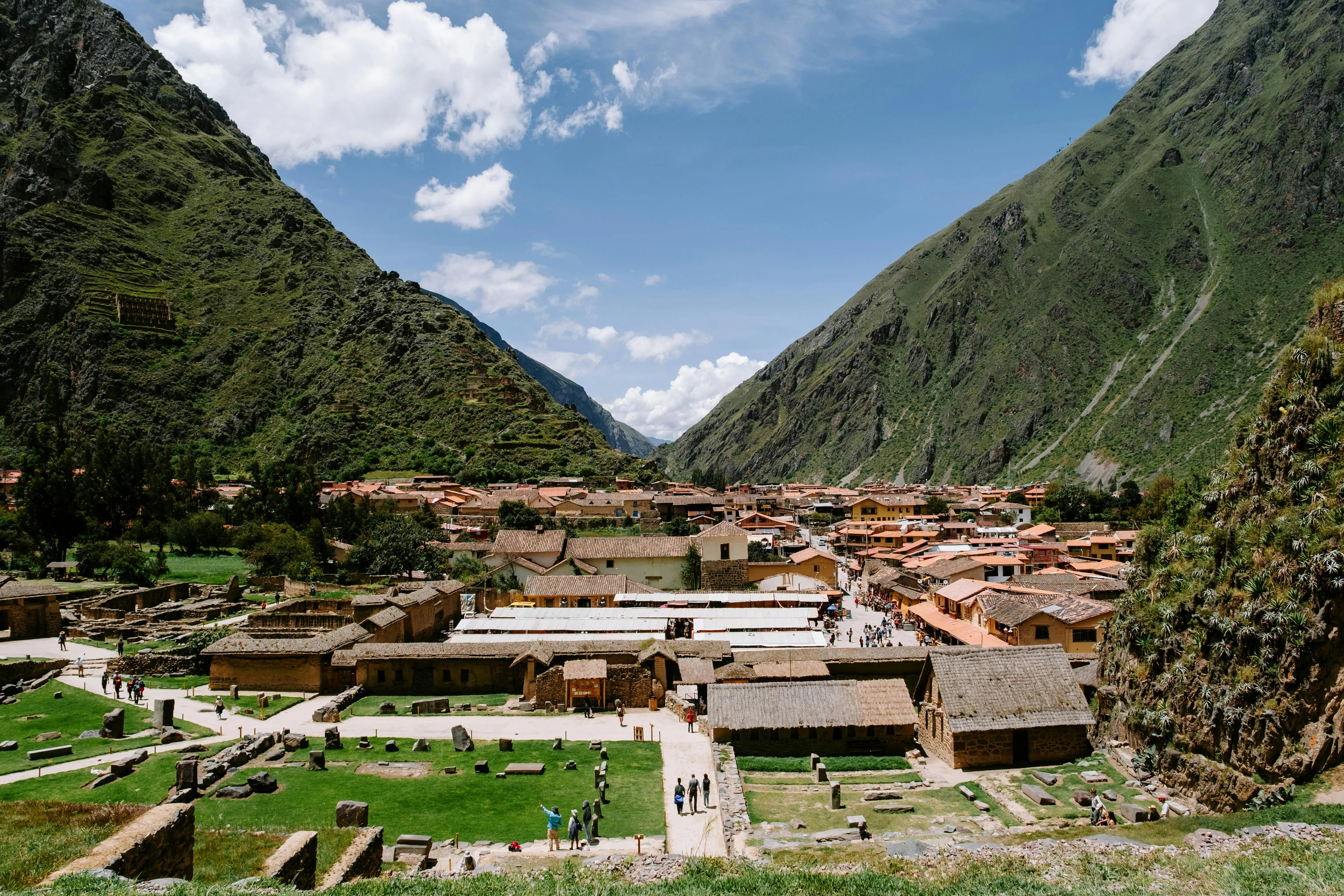
The ancient town and terraces of Ollantaytambo stretch into the Sacred Valley, preserving the living legacy of Inca civilization. Picture by: Eugenio F.

Into the cloud forest: sustainable adventure in Cusco’s jungle
Beyond the Andes, Cusco’s territory descends into the lush Amazonian lowlands, where moss-draped trees and orchids bloom along the fringes of the rainforest. Here lies part of Manu National Park, one of the most biodiverse places on Earth [2]. Home to over 1,000 bird species and countless mammals, this region is not just a sanctuary for wildlife—it’s also home to Indigenous communities who live in harmony with the land.
Giant river otters swim among lush aquatic plants in the protected waters of Manu National Park—one of the world’s richest biodiversity hotspots.
For a truly sustainable experience, choose eco-certified or community-based tours that prioritize conservation and cultural respect [1]. Lodges like Inkaterra Reserva Amazónica and Posada Amazonas offer immersive stays that support local livelihoods while preserving biodiversity. In Manu’s deeper reaches, community-run lodges like Casa Matsiguenka allow visitors to experience the forest through the eyes of its ancestral guardians.
When exploring, tread with care: observe wildlife from a distance, never feed animals, and leave no trace behind. In remote areas, even non-biodegradable waste must be packed out, as disposal infrastructure is scarce. Treat every trail as sacred, every rustle of leaves as a sign of life flourishing around you. In these living forests—the lungs of the planet—your respect ensures that the calls of howler monkeys, the shimmer of hummingbirds, and the wisdom of ancient trees endure for generations to come.

Two travelers quietly explore a river in the Manu Biosphere Reserve, practicing sustainable tourism while surrounded by pristine Amazon rainforest.
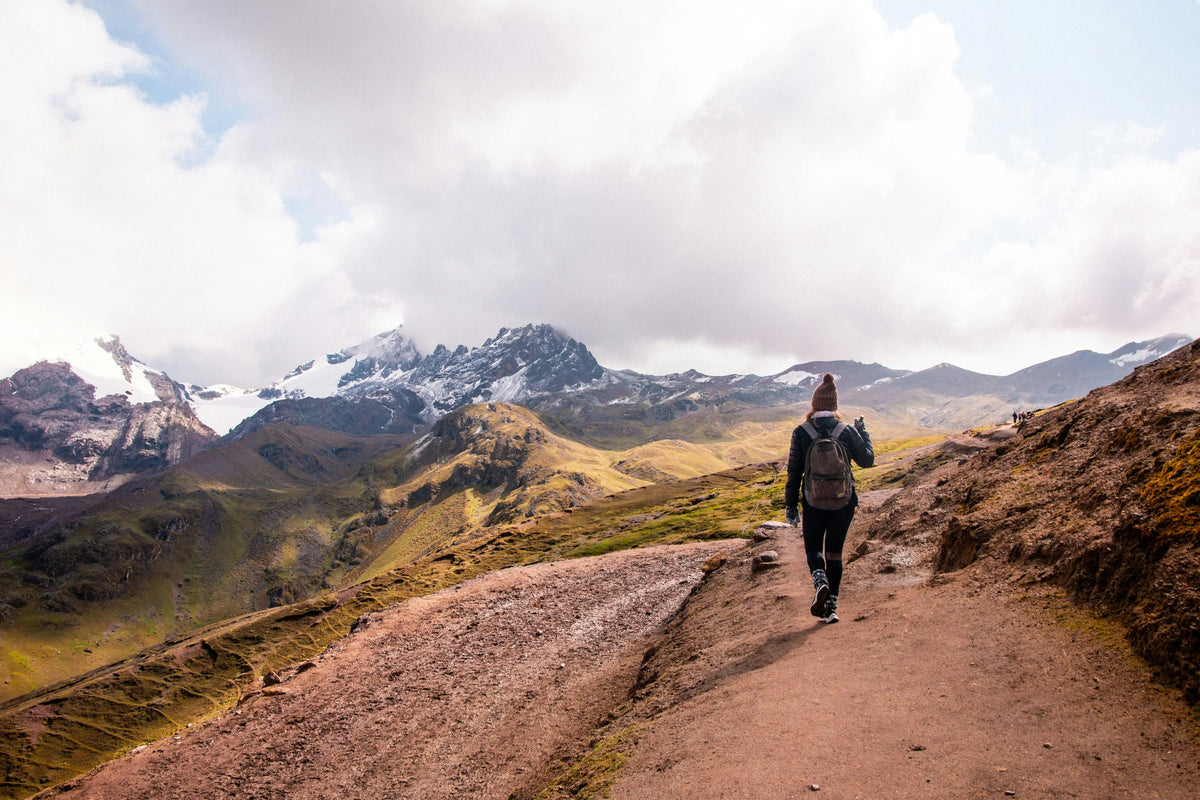
Slow down, connect, learn
Resist the urge to check off tourist hotspots in rapid succession. In Cusco, the journey becomes richer when you immerse yourself in the rhythms of local life. Instead of rushing, spend time joining community-led walks, traditional cooking classes, or weaving workshops with master artisans. Walk through Cusco’s vibrant markets with a local guide, help farmers during a harvest, or quietly birdwatch in the Sacred Valley alongside those who know every hidden trail. These slow experiences build real connections—and turn residents from service providers into storytellers and friends.
Educate yourself on Andean cosmology, history, and environmental practices before and during your visit. Learning about the Festival of Inti Raymi, the sacred reverence for Pachamama (Mother Earth), or the meaning of ayni —reciprocal helping—deepens your understanding of the land and its people. Even small efforts, like greeting someone with "Allillanchu" (hello) or saying "Sulpayki" (thank you) in Quechua, are gestures that open doors and hearts [3].
Traveling slowly also helps the environment: staying longer in one place reduces transport emissions and spreads your impact more meaningfully across the community. Moments like sharing coca tea with a Quechua family or spotting a soaring condor after hours of quiet patience can become the soul of your trip. In Cusco, slowing down isn’t just a choice—it’s a way of honoring the living culture around you.

Travel like you belong
Traveling through Cusco is more than moving through landscapes—it’s entering into relationships. Every trail, every village, every river invites us to listen, not just to see. Here, connection matters more than conquest.
Embrace this journey with humility, gratitude, and a spirit of reciprocity. Choose to travel consciously: stay longer, learn deeper, and leave lighter. When you support local hands, respect sacred spaces, and honor the rhythms of nature, you weave yourself into the fabric of this living land.
The Andes and the Amazon don’t just ask for visitors—they ask for caretakers. By walking with care, you help keep these places vibrant and resilient for generations to come.
Join us in honoring the spirit of the Andes and the Amazon —travel sustainably, and leave a positive footprint on the path you tread.
Sources (3)
- Mitchell, Ross E. "Community perspectives in sustainable tourism: lessons from Peru." Tourism, recreation and sustainability: Linking culture and the environment. Wallingford Uk: cabi, 2008. 158-182. https://doi.org/10.1079/9781845934705.0158
- UNESCO World Heritage Centre. Manú National Park. Retrieved from https://whc.unesco.org/en/list/402
- De la Cadena, Marisol. "Indigenous cosmopolitics in the Andes: Conceptual reflections beyond “politics”." Cultural anthropology 25.2 (2010): 334-370. https://doi.org/10.1111/j.1548-1360.2010.01061.x


