

Origin
Women artisans in the Peruvian Andes: weaving legacy, resilience, and identity
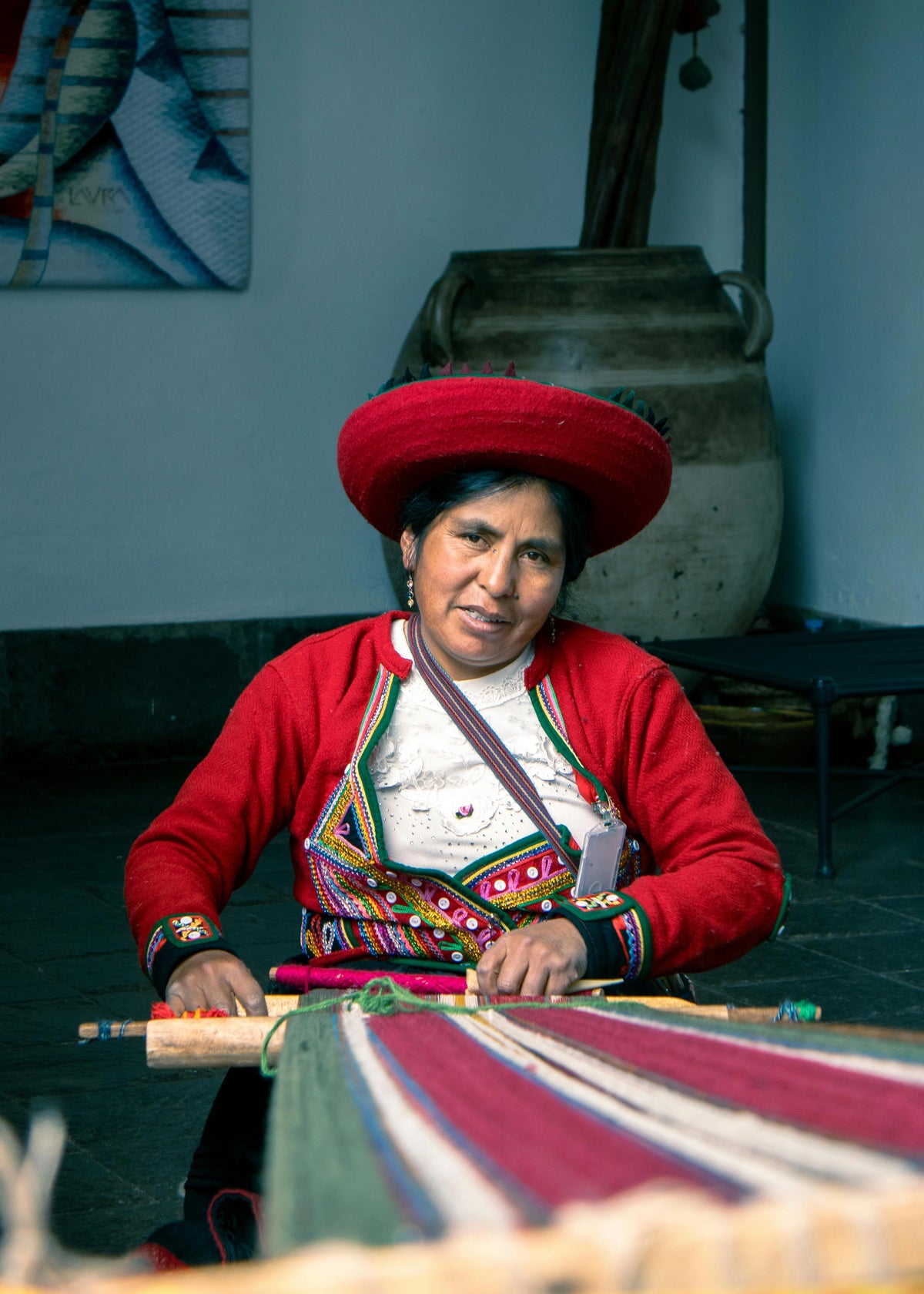
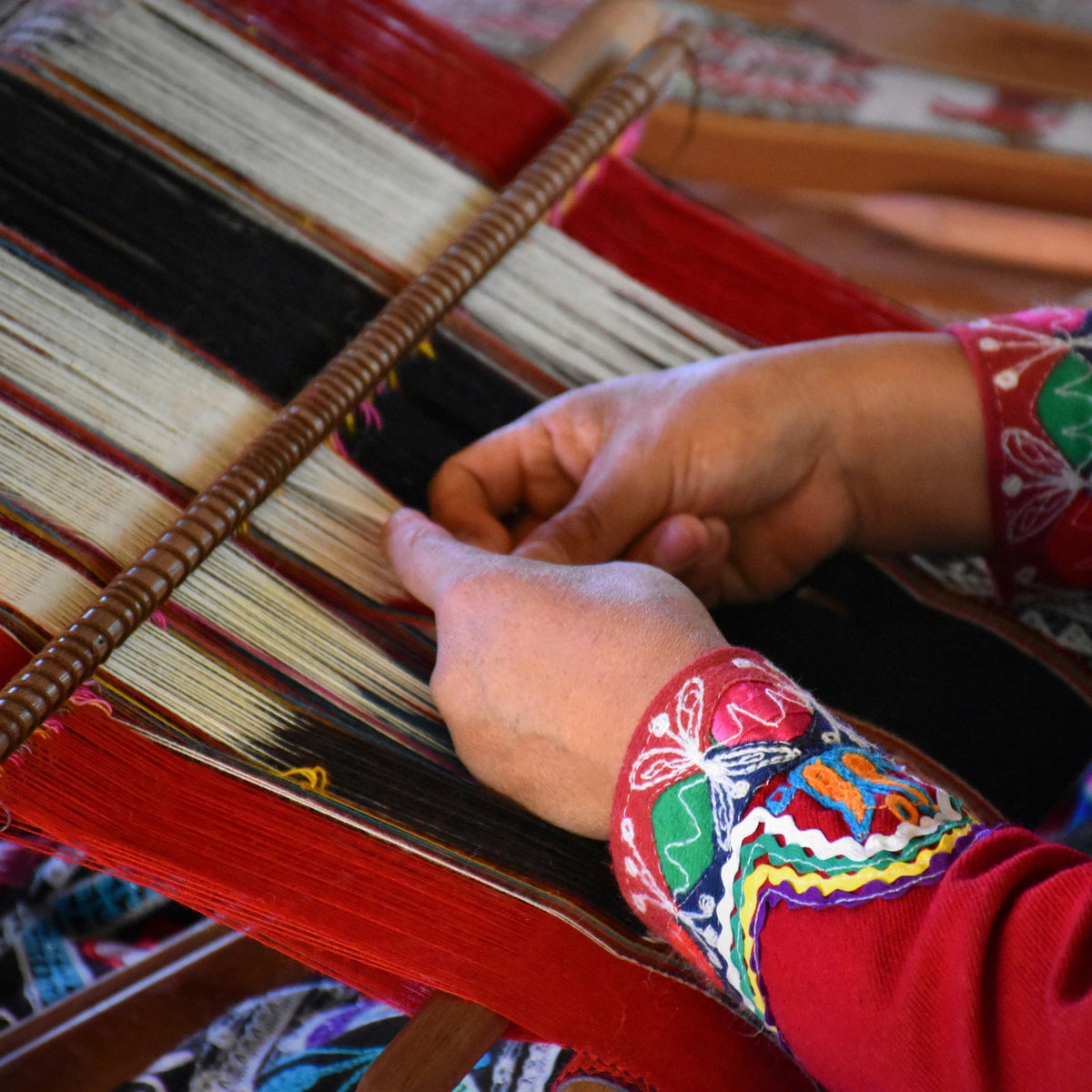
For centuries, Andean women artisans have woven more than just textiles—they have interlaced history, resilience, and identity into each thread. Their craft is a reflection of cultural heritage passed down through generations, a skill that connects them to their ancestors while securing their future. This blog honors the hands that keep tradition alive, the voices that fight for recognition, and the women whose artistry continues to shape the Andean highlands.
Threads of history: women and textile production in the Andes
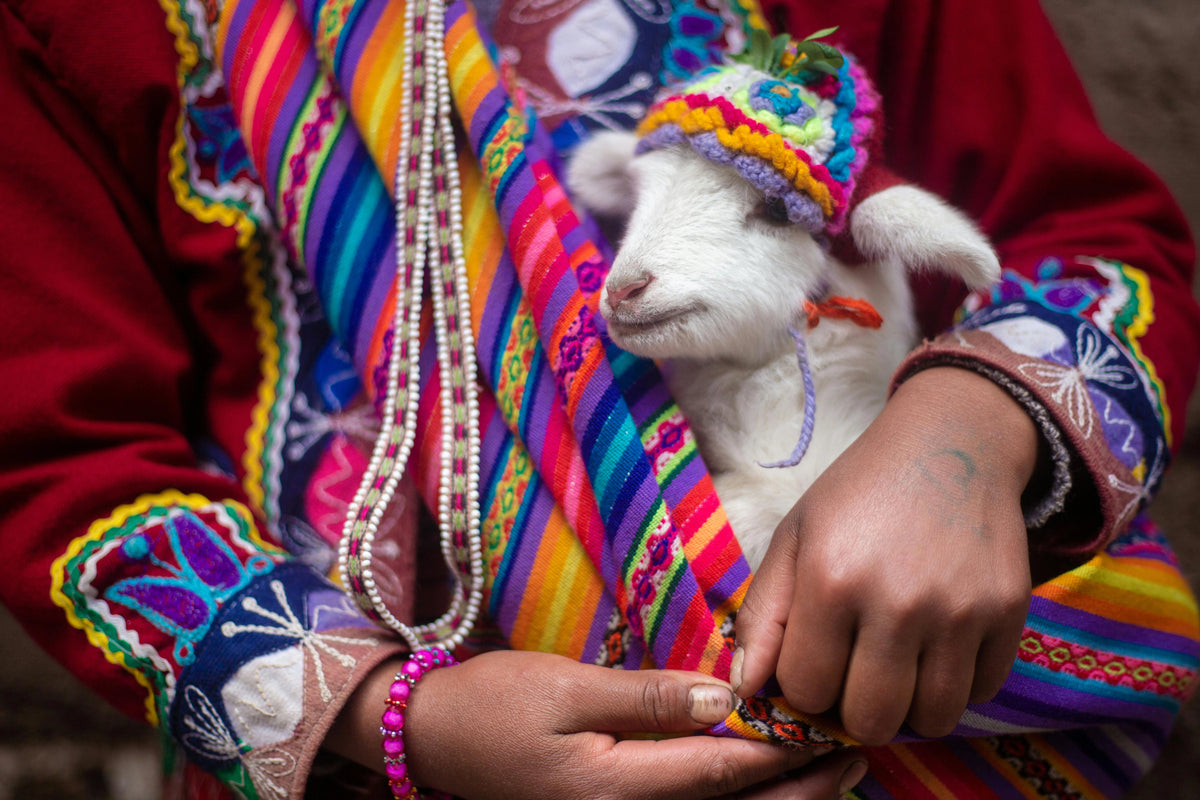
Textile production in the Andes dates back thousands of years, with pre-Hispanic societies placing immense cultural and economic value on woven goods. In the Inca Empire, cloth was more than just clothing—it was a symbol of status, tribute, and social hierarchy [1]. Women played a pivotal role in this system. The Acllas, or "Chosen Women", were skilled female weavers selected to create fine textiles for the nobility and religious ceremonies, reinforcing the link between femininity, craft, and power [1].
This deep-rooted tradition persisted beyond the fall of the empire. Despite colonial disruptions, Andean women preserved their textile knowledge, adapting techniques while maintaining ancestral designs and meanings [2]. Today, their weavings remain a form of storytelling, documenting myths, landscapes, and personal narratives through vibrant patterns and natural dyes [3].
Crafting livelihoods: the economic and social role of Andean women artisans
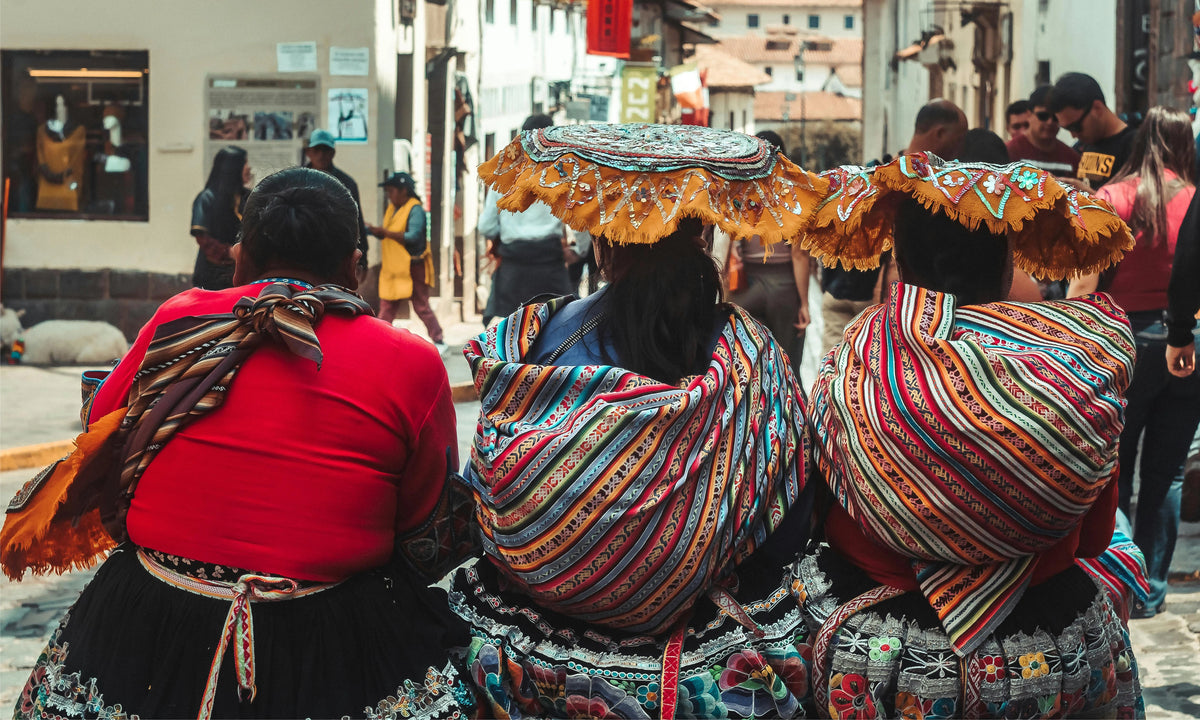
In modern times, textile production is not just an art—it is a means of survival. Across the Peruvian Andes, female artisan groups form cooperatives and associations to access fair markets, improve economic stability, and preserve their traditions. Organizations like CIAP (Central Interregional de Artesanos del Perú) and Manuela Ramos provide artisans with training, raw materials, and access to international buyers, ensuring that their work reaches beyond local markets [4].
However, financial stability remains a challenge. Many artisans struggle with seasonal demand fluctuations and income inequality within cooperatives, where access to orders and payments is often uneven [2]. Despite these obstacles, women continue to engage in textile production—not just for economic reasons, but for the social bonds and empowerment these groups offer.
As many artisans express, belonging to a weaving collective is about more than just earning money—it is about sisterhood, self-worth, and community [4]. Weaving circles become safe spaces where women share experiences, support one another, and collectively navigate the challenges of rural life.
Cultural guardians: the women who preserve Andean weaving
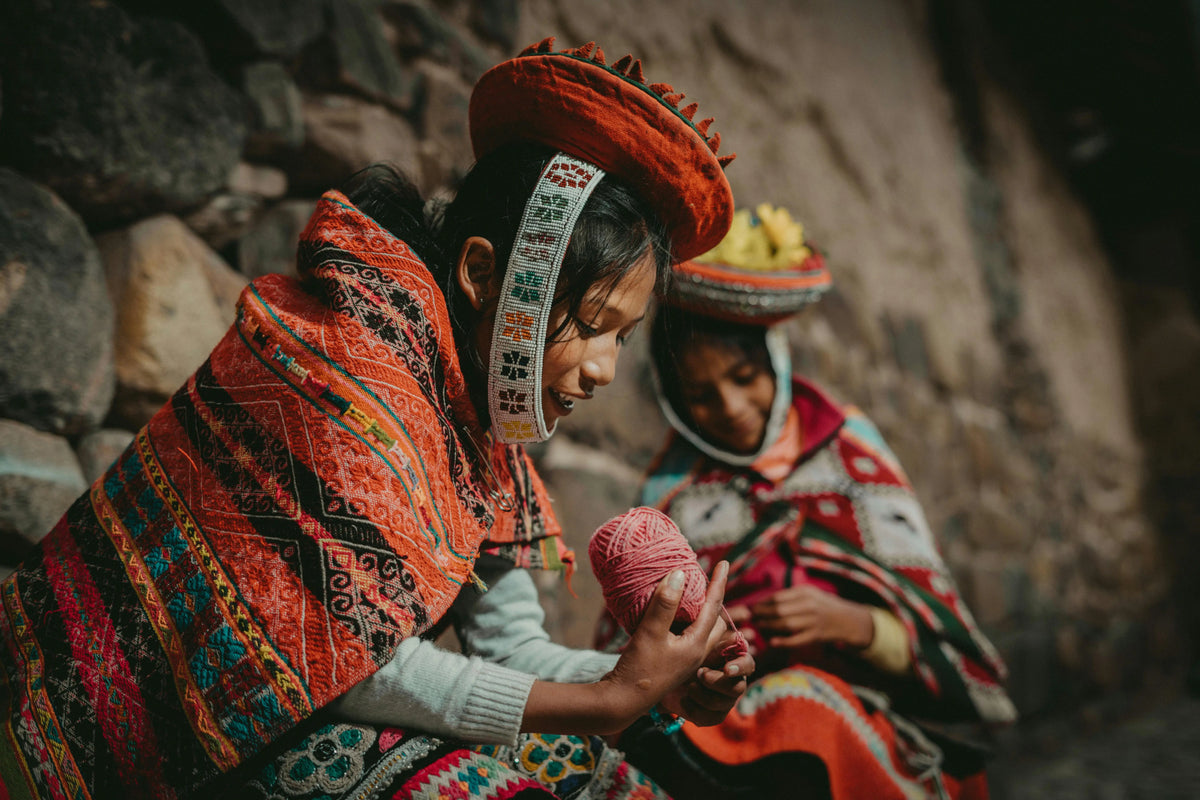
One of the most influential figures in the preservation of Andean textiles is Nilda Callañaupa Álvarez, a Quechua weaver from Chinchero, Peru. As the founder of the Centro de Textiles Tradicionales del Cusco (CTTC), she has dedicated her life to reviving and promoting traditional weaving techniques, ensuring that future generations inherit and value their cultural heritage [5].
Her work exemplifies the resilience and leadership of Andean women artisans, who often act as educators, activists, and cultural ambassadors. Through initiatives like CTTC, young Quechua girls are learning not only the technical skills of weaving but also the significance of their craft as a form of identity, resistance, and connection to the land.
The challenges and triumphs of Andean women artisans today
Despite their crucial role in cultural preservation, Andean women artisans face economic marginalization, gender inequality, and the pressures of globalization. Fast fashion and mass production threaten traditional textile markets, while the lack of governmental support makes it difficult for artisans to compete in a world driven by cheap synthetic materials.
Yet, their work endures. As demand for handmade, sustainable, and ethically sourced fashion grows, Andean artisans are gaining more visibility on global platforms. Brands committed to fair trade and slow fashion are recognizing the value of their expertise, creating new opportunities for women to earn fair wages and continue practicing their craft.
Moreover, initiatives like “Casa de la Mujer Artesana” provide additional support by integrating social services, such as health care and education, into artisan programs—ensuring that women's well-being is prioritized alongside their economic independence [4].
A future woven by women
Andean women artisans are the guardians of a centuries-old tradition, preserving their heritage while shaping a more equitable future. Their hands weave not just textiles, but resilience, community, and identity—an enduring testament to the strength of women artisans across generations.
Their legacy is a reminder that craftsmanship is more than a skill; it is a language of heritage, a symbol of endurance, and a thread that connects the past, present, and future.


