

Origin
The story of indigo dye in ancient Peru
Imagine trekking through the rugged Andean landscapes, wrapped in the warmth of alpaca wool—feeling connected not just to nature but to thousands of years of history. The vibrant textiles of ancient Peru carry stories written not with words, but with natural dyes like indigo, whose deep blue hue has traveled across generations, deserts, and mountains.

At Arms of Andes, our passion goes beyond crafting sustainable outdoor gear. We’re inspired by Peru’s rich cultural heritage, where natural materials and dyes were part of life long before the world knew of “sustainability.” Today, we honor that legacy. Let’s embark on a journey through time to uncover the ancient origins of indigo dye in Peru and how it continues to inspire adventure, culture, and the great outdoors.
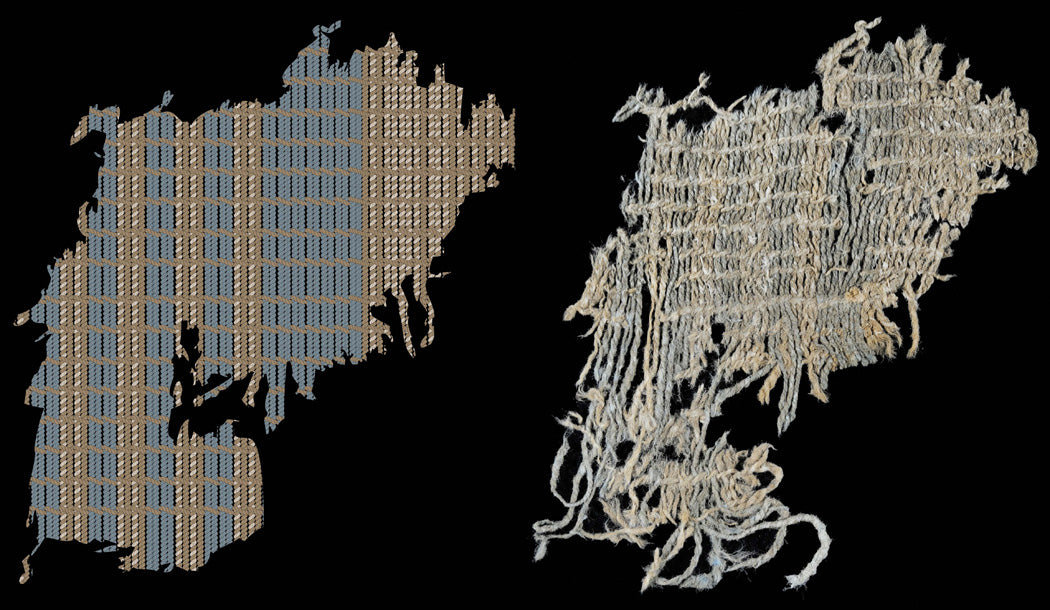
The art of blue: how ancient Peruvians made indigo dye
The blue color found in these ancient textiles comes from a natural pigment called indigotin, extracted from plants like Indigofera suffruticosa, native to the Americas [1]. But indigo wasn’t just “discovered”—it was crafted through an intricate process that involved fermentation, oxidation, and careful plant selection.
Imagine ancient dyers working with simple tools, yet applying techniques sophisticated enough to rival modern science:
- Fermenting leaves to release the blue pigment.
- Using natural minerals from the earth to set the dye.
- Layering colors to create deep, vibrant shades that resisted fading—even after 6,000 years underground.
For them, indigo was more than a color. It was a symbol of life, water, and the sacred connection between humans and nature —the same connection we seek when we step into the wild today.
Indigo along the Andes: a tradition that spanned civilizations
As centuries passed, the art of indigo dyeing spread throughout the Andean region. Civilizations like the Tumilaca and Chiribaya cultures (around 1,000 AD) carried the tradition forward, adding their own techniques and cultural meanings [2].
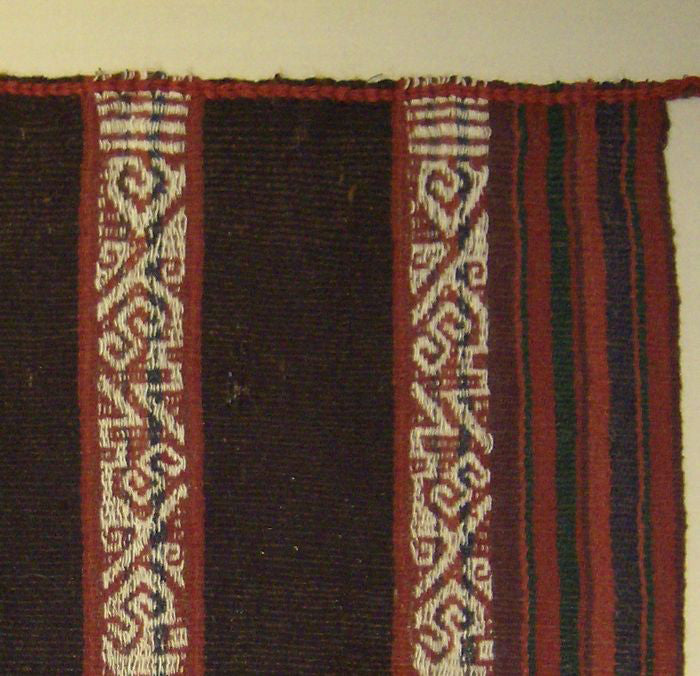
What made indigo special in Andean culture?
- A Symbol of Power: Indigo’s rich blue was often reserved for important garments, reflecting status, spirituality, or ceremonial use.
- Natural Innovation: By blending indigo with other plant dyes, ancient dyers created greens, purples, and even subtle shades of turquoise [2].
- Craftsmanship as an Art Form: Weaving wasn’t just functional—it was an expression of identity, with each pattern telling a unique story.
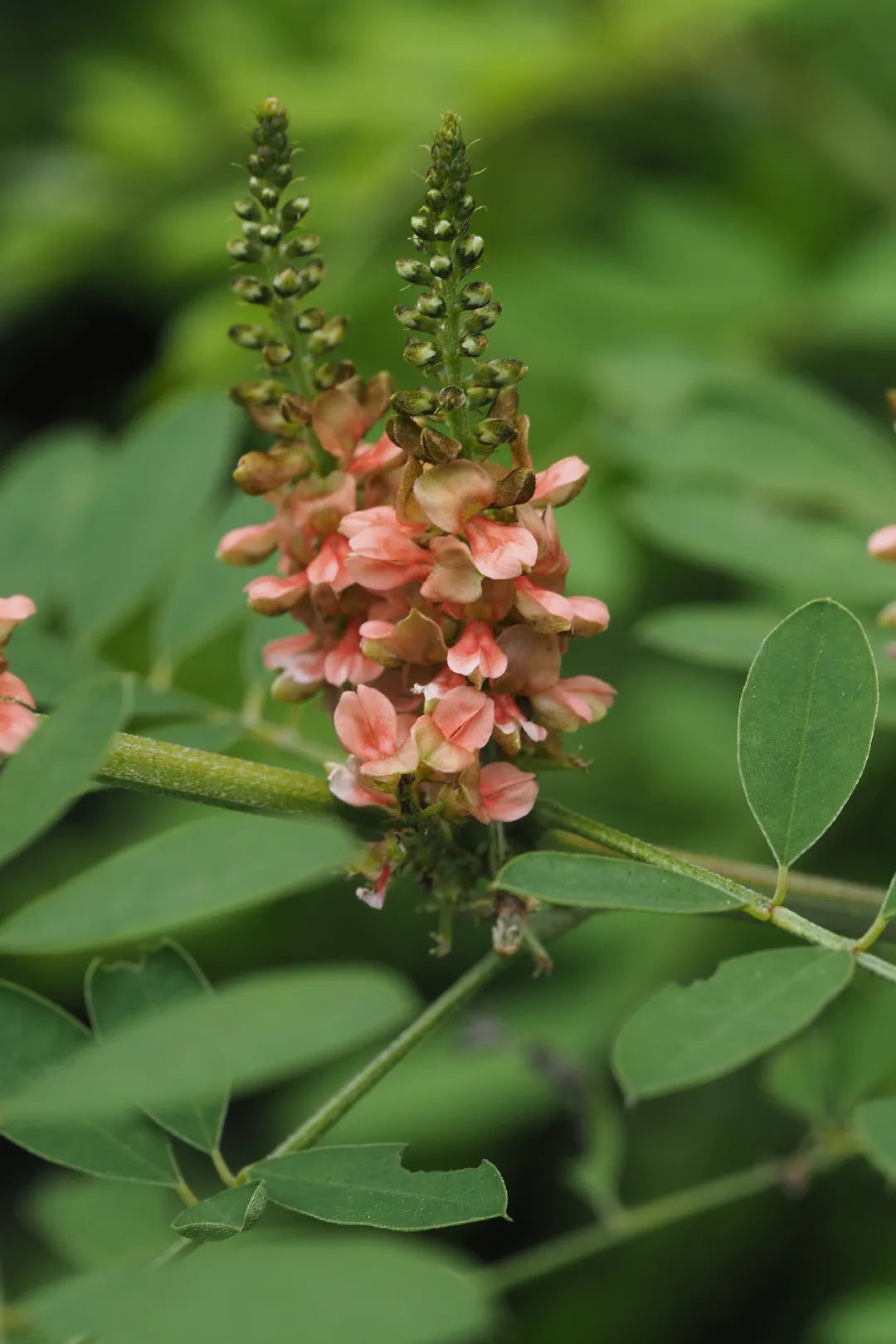
Indigo’s journey beyond Peru: a global story with Andean roots
While Peru holds the title for the oldest indigo-dyed fabric, the dye itself became a global phenomenon. Indigofera tinctoria flourished in India, while Isatis tinctoria(woad) colored fabrics across Europe [3]. Trade routes stretched from Asia to the Mediterranean, making indigo a prized commodity long before the age of empires.
But here’s the remarkable part: Peru’s mastery of indigo predates all of this. Long before ships crossed oceans with barrels of dye, ancient Peruvians were already experimenting, perfecting, and wearing indigo as part of daily life. Their innovation wasn’t driven by commerce—it was rooted in culture, nature, and the human desire to create.
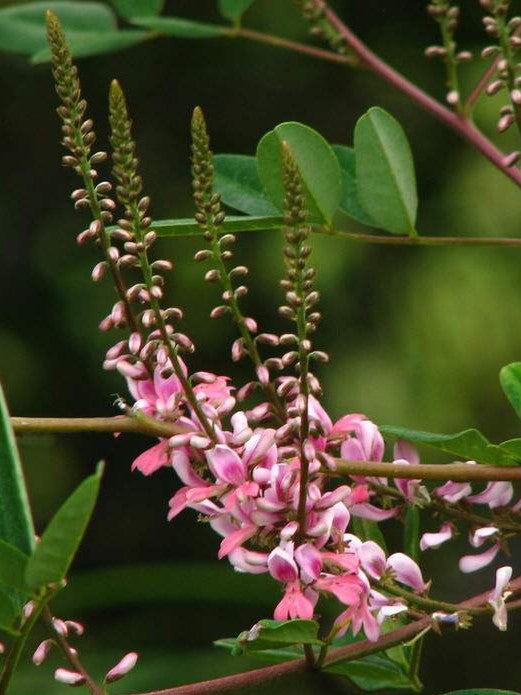
Indigofera tinctoria. Picture by Bell Garden Company.
Ancient wisdom meets modern challenges: indigo dye in the 21st century
Fast forward to today. The natural indigo dye that once symbolized life and connection has been largely replaced by synthetic dyes, especially in the fast fashion industry. But with that convenience came environmental costs:
- Water Pollution: Synthetic dyes release harmful chemicals into rivers and oceans.
- Toxic Waste: Many contain heavy metals that damage ecosystems.
- Microplastics: When used with synthetic fabrics, they contribute to plastic pollution in oceans.
- Loss of Heritage: Mass production often ignores the rich traditions and craftsmanship tied to natural dyeing.
Arms of Andes: carrying the legacy of natural dyeing
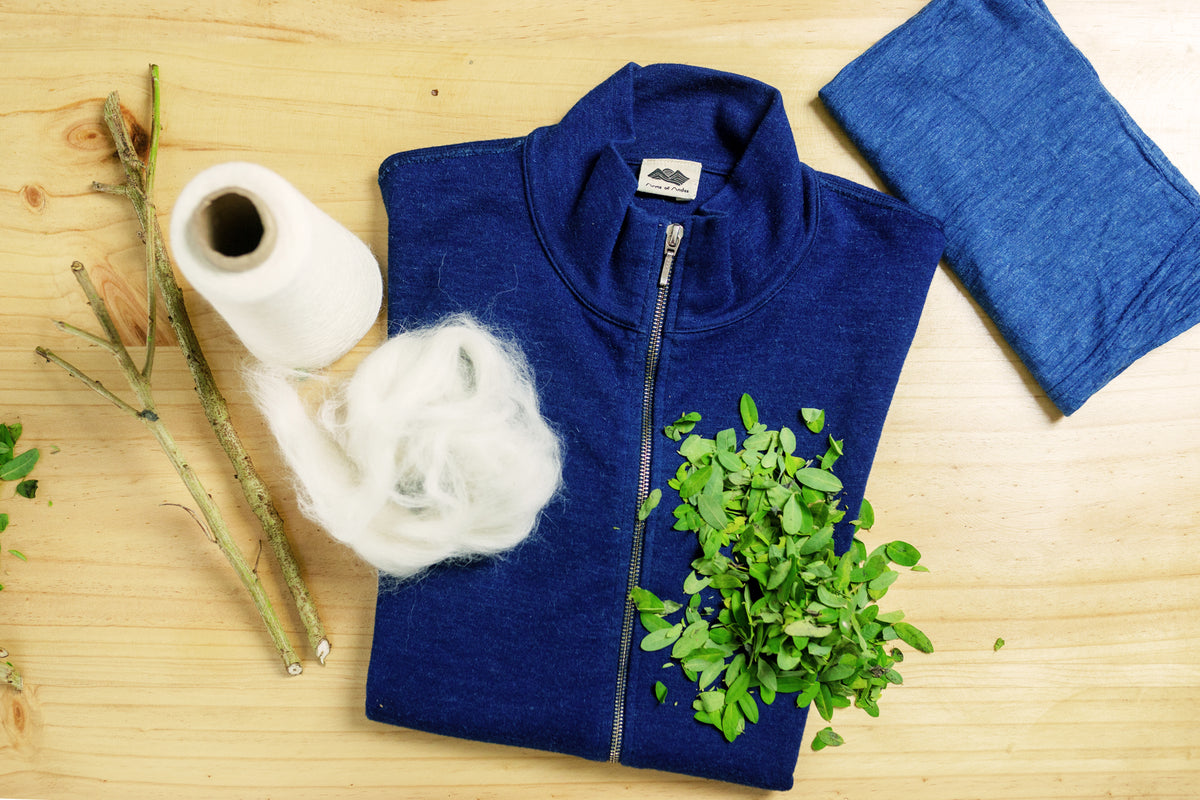
At Arms of Andes, we believe in the wisdom of ancient cultures. Our commitment to using 100% alpaca wool isn’t just about performance—it’s about honoring the land, the people, and the stories woven into every fiber. Just as ancient Peruvians relied on natural dyes, we focus on sustainable materials that respect the environment and celebrate cultural heritage.
When you wear our gear, whether hiking through Andean trails or exploring new landscapes, you’re connected to a tradition that’s over 6,000 years old—a tradition rooted in adventure, sustainability, and respect for nature.
What does indigo teach us about adventure?
- Nature is the greatest teacher —Ancient dyers learned everything they needed from plants, soil, and the world around them.
- Sustainability isn’t new —Long before it was a buzzword, indigenous cultures practiced sustainable living as a way of life.
- Every journey has a story —Just like ancient textiles tell tales of people, places, and traditions, your adventures create memories woven into the fabric of your life.
So, the next time you zip up your alpaca hoodie before hitting the trail, remember—you’re not just wearing gear. You’re carrying forward an ancient tradition woven with craftsmanship, culture, and a deep respect for the natural world.
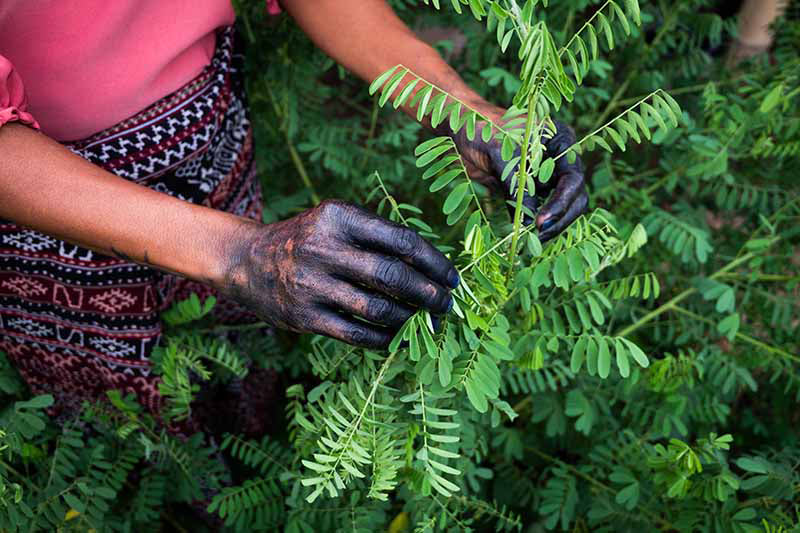
Harvesting leaves from Indigofera spp., the plant responsible for producing natural indigo dye. The dark-stained hands reflect the deep, rich pigment released during traditional dye extraction processes.
Sources (3)
- Splitstoser, J. C., Dillehay, T. D., Wouters, J., & Claro, A. (2016). Early pre-Hispanic use of indigo blue in Peru. Science Advances, 2(9), e1501623.
- Wallert, A., & Boytner, R. (1996). Dyes from the Tumilaca and Chiribaya cultures, south coast of Peru. Journal of Archaeological Science, 23(6), 853-861.
- Kibby, Erin. (2022). Studies Toward Provenance Determination for Indigo Dyes. Undergraduate Honors Thesis Projects. Otterbein University.


