


Impact
The colors you’re wearing: natural dyes and GOTS-certified colors
At Arms of Andes, sustainability is more than a concept—it’s at the core of how we make clothing. We already minimize our footprint with single sourcing and by working exclusively with alpaca wool, one of the most sustainable technical fibers on the planet. But we wanted to go further.
The nature of natural dyes
Natural dyes are at the heart of Andean textile tradition and one of the most sustainable ways to bring color to clothing. At Arms of Andes, we honor this heritage by working with local resources like cochineal, indigo, and eucalyptus. Each pigment is harvested, processed, and applied using methods that respect both nature and the fiber, creating garments that are unique in tone and character.
Each naturally dyed garment is one-of-a-kind. Because pigments vary by harvest, weather, and mordanting, colors cannot be fully standardized. This is not a flaw—it’s a signature of authenticity, connecting each piece directly to the land it came from.
Natural dyes are biodegradable, skin-friendly and chemical-free, ensuring that your clothing is both safe to wear and gentle on the planet.
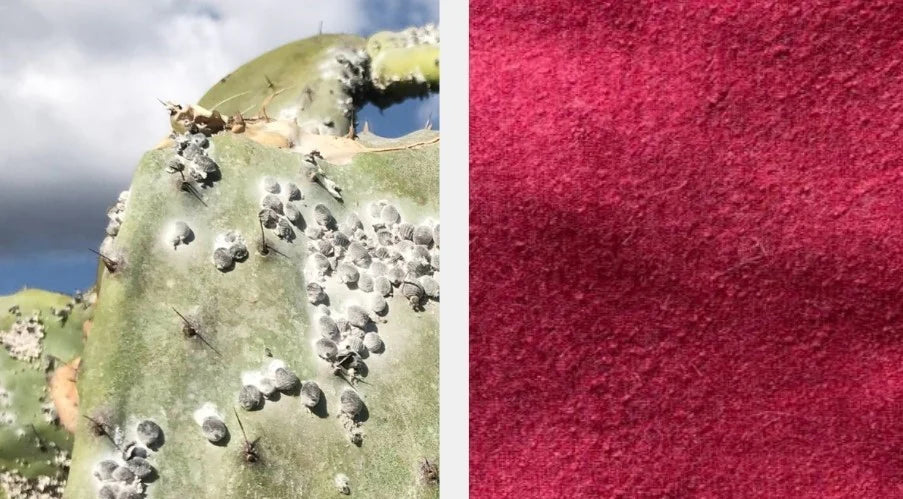
Cochineal: natural red from the Andes
What is it? Cochineal is a scale insect (Dactylopius coccus) that lives on prickly pear cacti. Civilizations such as the Nazca, Moche, and Inca prized it as the most vibrant natural dye available, using it for textiles and even manuscripts.
How is it extracted? The insects are hand-harvested, dried, and ground into a powder rich in carminic acid. When mixed with water and natural mordants, it produces brilliant scarlet tones.
Color results: Shades ranging from deep crimson to bright scarlet, depending on mordant concentration and fiber weight.
Why it matters: Cochineal is one of the few natural pigments capable of producing colors as intense as synthetic dyes—but without the environmental and chemical costs.
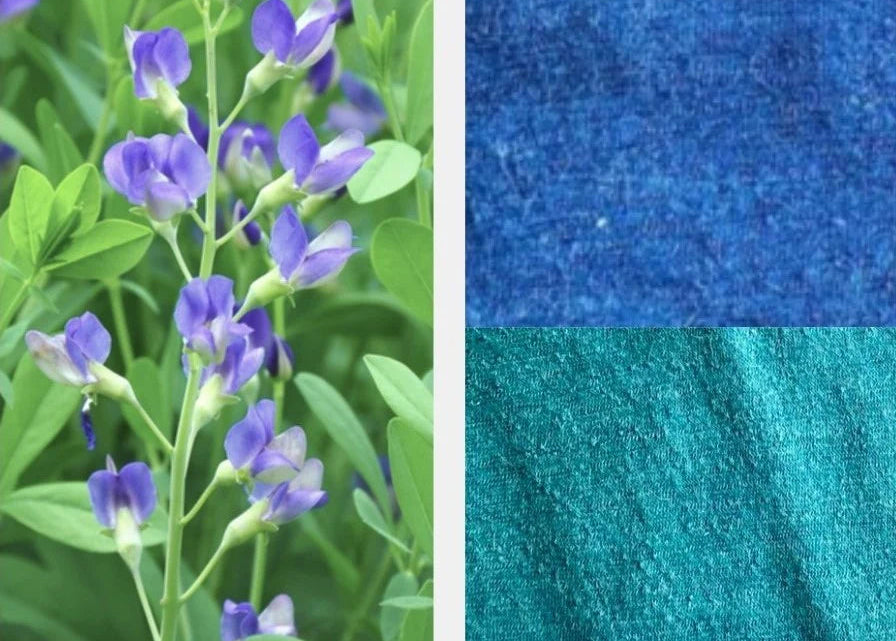
Indigo: the ancient blue
What is it? Extracted from the leaves of Indigofera tinctoria, indigo is one of the oldest dyes in human history, with archaeological evidence of use in Peru dating back more than 6,000 years.
How is it extracted? Fresh leaves are fermented in water to convert indican into indigotin, the molecule that gives indigo its iconic blue.
Color results: A spectrum of natural blues, from sky to deep ocean tones.
Why it matters: Beyond aesthetics, indigo is naturally antibacterial, enhancing freshness in alpaca wool garments. Its durability makes it a favorite for clothing that must withstand repeated wear in outdoor conditions.
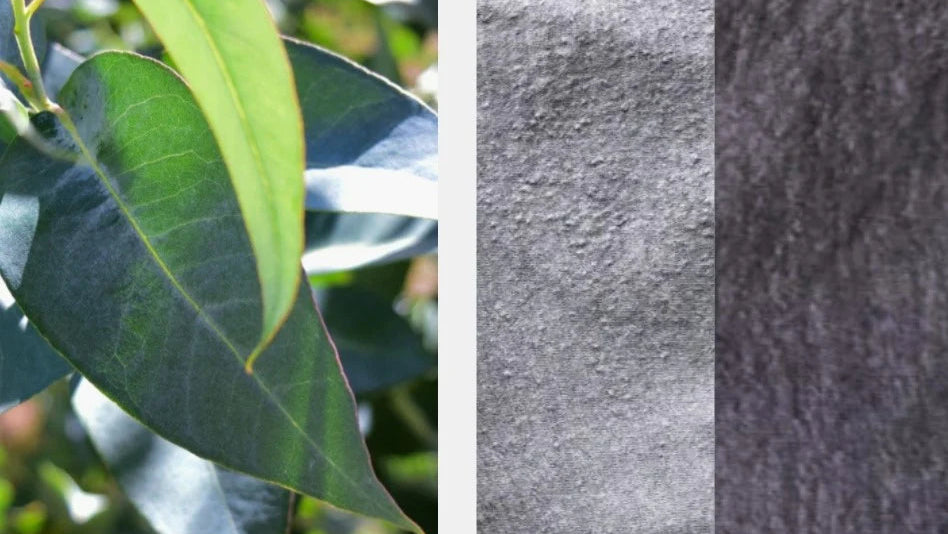
Eucalyptus: natural grey
What is it? Eucalyptus trees (Eucalyptus globulus and related species), though native to Australia, thrive in Peru and have long been used in Andean households for medicinal purposes.
How is it extracted? Young leaves are boiled in water to release tannins and pigments. The duration of boiling and mordant use controls the final tone.
Color results: Ranges from soft silver-grey to deep charcoal, with occasional greenish undertones.
Why it matters: Eucalyptus provides earthy, versatile shades perfect for performance wear. It’s also an abundant local resource, reducing dependence on imported chemicals and minimizing environmental impact.

Undyed: pure Alpaca wool
What is it? Alpacas naturally grow in more than 22 fleece shades, from white and silver to rich browns and blacks. In our Undyed Collection, the garments preserve these natural tones without any chemical intervention.
Why it matters:
- Zero chemicals — the purest option.
- Full biodegradability — nothing synthetic is added.
- Unique authenticity — wearing alpaca wool as it comes from nature.
Low impact dyes: performance with responsibility
While natural dyes are at the core of our philosophy, they cannot always provide the full color range or uniformity required for modern performance apparel. For this reason, Arms of Andes also works with GOTS-certified reactive dyes, known as low impact dyes.
What makes them “low impact”?
Certification: Compliant with GOTS (Global Organic Textile Standard), ensuring no harmful chemicals such as heavy metals, azo compounds, or formaldehyde.
Resource efficiency: Require less water and energy compared to conventional synthetics.
Safety: Tested to be non-toxic and safe for skin contact, avoiding allergens common in fast-fashion dyes.
Durability: Colors are highly stable and resistant to washing, sunlight, and sweat, making them ideal for long-lasting outdoor wear.
Colors achieved
Low impact dyes allow us to offer an extended palette—subtle earthy hues and consistent tones that natural dyes alone cannot guarantee. This expands our design options while staying true to our plastic-free, health-safe standards.
How do I care for my naturally dyed clothes?
- Since alpaca wool is odor resistant, you shouldn’t need to wash it too regularly. Airing out or rinsing in clean water is usually enough.
- Our clothes are now machine washable, but make sure to use a cold water, gentle cycle and a mild detergent to ensure they last as long as possible.
- The dye will likely tint the washing water, so wash with similar colors only, but don’t worry, the color of your garment won’t be changed.
- When drying, it’s best to lie the garment flat, out of direct sunlight. Tumble drying should be avoided as it likely will shrink your clothes, but alpaca wool dries pretty quickly anyway!
- If you feel it’s necessary, you can iron your alpaca wool clothes on a warm setting.
- The wool and dyes are affected by chemicals, so you should avoid dry cleaning and using fabric softeners or bleach.
- We recommend washing your naturally dyed clothing less often, to help the unique color last as long as possible.
Please note that the garments in our Natural Dyes Line are hand-dyed in small batches, so no one else will have exactly the same color as you!
Natural dyes are environmentally friendly, gentle on the skin and pleasing to the eye, but they are less good at bonding with textile fibers, so colors can bleed a little when your wash your clothes, or sweat in them. Therefore, we recommend using your naturally dyed garments with dark clothing or equipment (e.g. backpacks) and washing with similar colors, especially at the beginning. Natural dyes may show some unevenness in coloring, but this is how nature works! To find out more about caring for your clothes, see our Alpaca Wool Care page.
Why choose natural colors?
Synthetic dyes are cheap, easy, and uniform—but often toxic to workers, the environment, and even wearers. In contrast, undyed alpaca and natural pigments are biodegradable, skin-safe, and carry millennia of Andean tradition.


