


Impact
World Wetlands Day
On February 2, World Wetlands Day is celebrated globally to honor the essential role wetlands play in the Earth's ecosystems. Wetlands, covering just 6% of the Earth’s land surface, support 40% of all plant and animal species, including migratory birds and aquatic life [1]. Despite their importance, these vital ecosystems are rapidly disappearing—posing a threat to biodiversity, climate regulation, and the outdoor spaces we cherish [1,2]. This global event urges us to take action, acknowledging that wetlands are crucial not only for the natural world but also for the outdoor lifestyles we enjoy, from hiking to fishing and beyond.
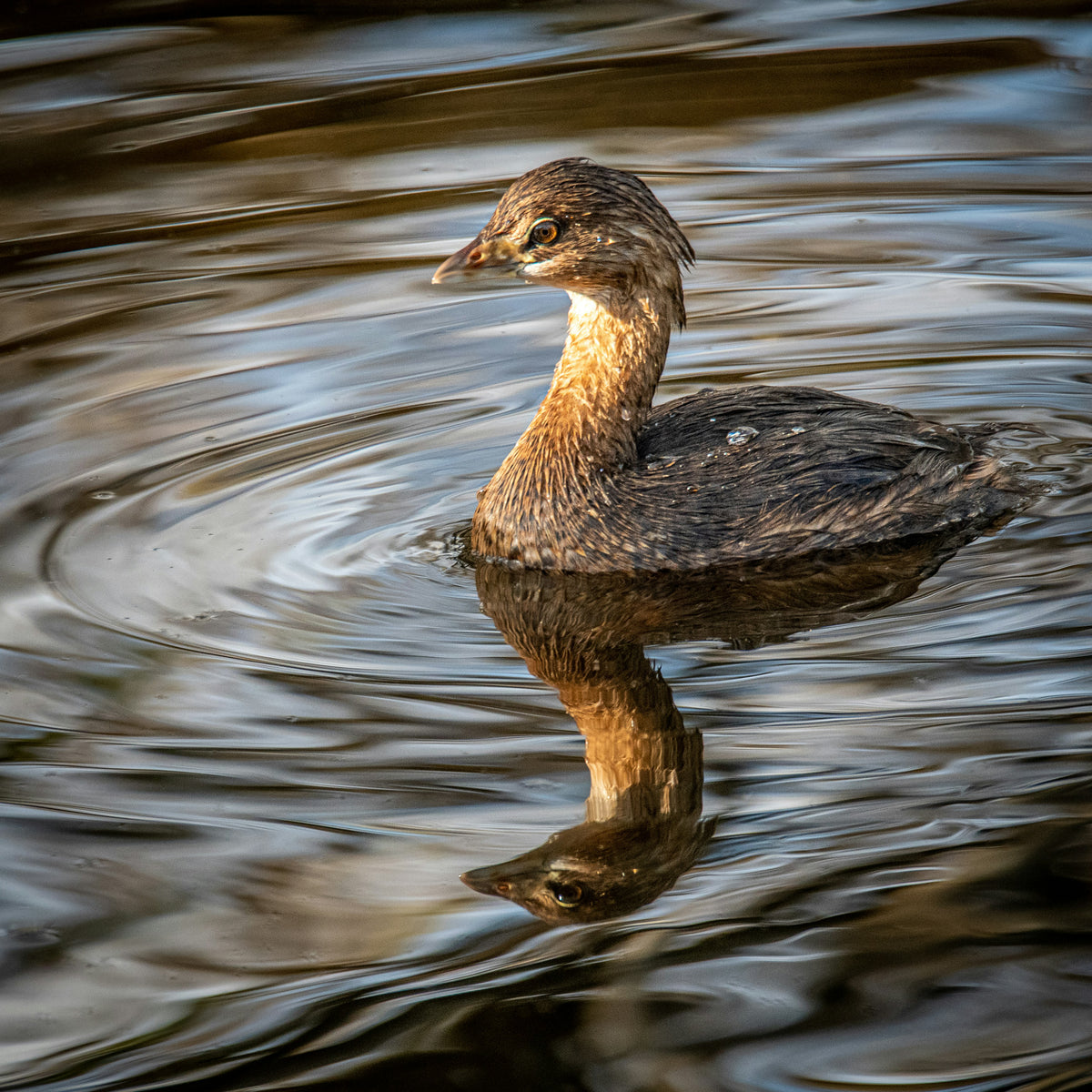
Wetlands: the heartbeat of outdoor ecosystems
Wetlands are unique environments where land is regularly or permanently covered by water—fresh, brackish, or saline—creating diverse ecosystems. They include marshes, swamps, and peatlands, all of which serve as vital habitats for countless species. Wetlands are nature’s own water filtration systems, effectively described as the “kidneys of the landscape” [2,3,4]. In these spaces, plants and animals have evolved to thrive in conditions where water and land meet.
For outdoor enthusiasts, these areas offer biodiversity hotspots and some of the most ecologically diverse places on the planet. Wetlands support ecosystems with more than 10% of all known animal species and approximately 50% of all fish species [2]. They are also essential to millions of people who rely on them for food, clean water and their livelihoods— 1 in 8 people in the world rely on wetland resources [1].
The role of wetlands in carbon sequestration and climate action
Perhaps the most crucial yet often overlooked role of wetlands is their ability to store carbon. Wetlands hold 20-30% of the world’s carbon, despite covering just a fraction of the planet’s surface [4,5]. This makes them the most effective ecosystems in the fight against climate change, as they act as natural carbon sinks, absorbing more carbon dioxide than they release [5,6].
In fact, wetlands play a significant role in regulating greenhouse gases like methane, carbon dioxide, and nitrous oxide—key contributors to global warming. While wetlands do release methane—a potent greenhouse gas—, they absorb far more carbon dioxide. When these ecosystems are damaged or drained, however, the stored carbon is released back into the atmosphere, exacerbating climate change. This makes the conservation of wetlands all the more critical for maintaining a healthy environment for outdoor activities like hiking, kayaking, and fishing, which are directly impacted by climate disruptions [4,5,6,7].
Let's think about it: every degree Celsius that the planet's temperature increases can mean an acceleration in the melting of glaciers, which causes sea levels to rise. While it would make sports and outdoor activities impossible, as we mentioned, the worst part would be for island countries, which could gradually disappear.
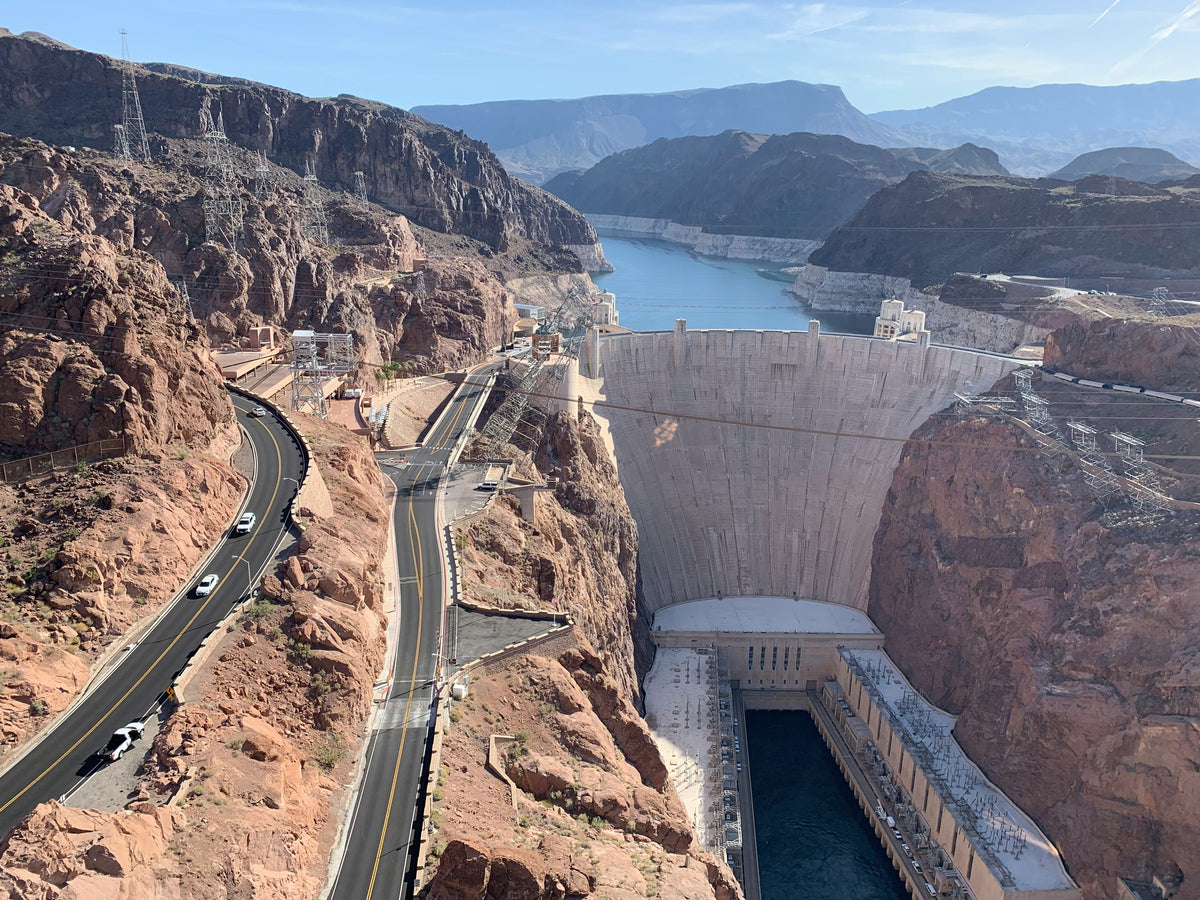
Wetlands: nature’s water treatment systems
Beyond carbon storage, wetlands serve as invaluable natural water purifiers. They trap pollutants, including phosphorus, heavy metals, and other contaminants, ensuring that water remains clean for both ecosystems and human communities. For example, wetlands can remove harmful substances from water sources that feed into rivers, lakes, and reservoirs used by millions of people worldwide [6,7,8].
New York City, for instance, found that purchasing and preserving wetland areas around its reservoirs saved the city billions of dollars in water treatment infrastructure [2]. By utilizing these natural filtration systems, cities and outdoor spaces alike benefit from cleaner water without the need for costly, energy-intensive treatment processes.
Wetlands as natural defenders against extreme weather
As outdoor adventurers know, extreme weather events are becoming more frequent and severe due to climate change. Wetlands play a crucial role in protecting against these disasters. Their ability to absorb and store excess water helps prevent flooding, especially in areas prone to heavy rainfall and storms. In coastal areas, wetlands act as buffers, mitigating the impacts of storm surges, erosion, and rising sea levels [5,9,10].
For outdoor sports like kayaking, fishing, and hiking along the coast, healthy wetlands provide protection and enhance the beauty and safety of these natural environments. Wetlands also stabilize shorelines, helping to preserve the landscapes that many of us enjoy for recreation and conservation [5,7,9].
Microplastics in wetlands: a growing environmental threat
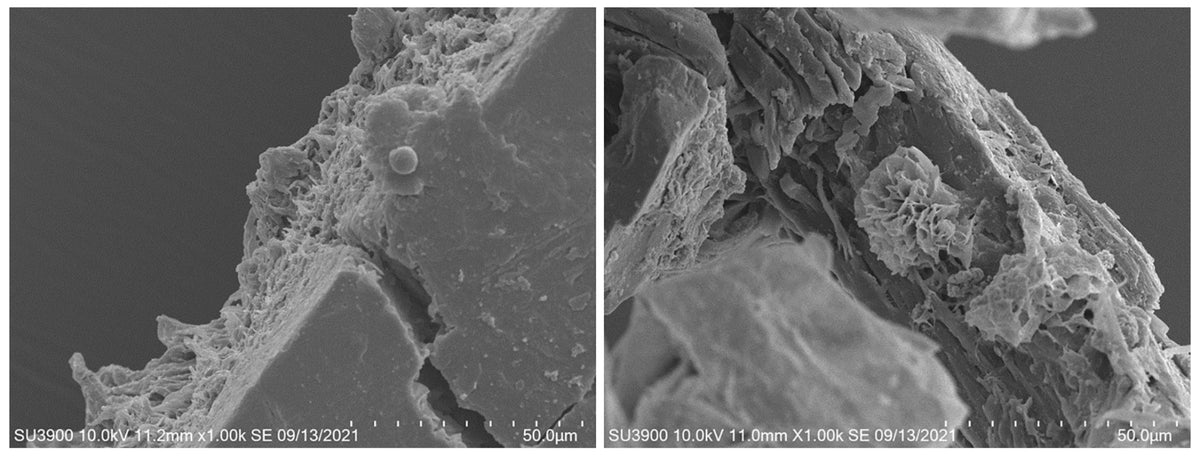
As the global pollution crisis continues to escalate, microplastics have emerged as a significant threat to wetlands. These tiny particles, often originating from urban runoff and wastewater, have been found in estuarine and freshwater wetlands worldwide. While wetlands serve as natural filters for microplastics, trapping them in their soils and plant materials, the long-term impacts of this pollution are still being studied [6,7,8,11].
Aquatic plants in wetlands may help filter microplastics by capturing them in their roots and leaves, preventing them from entering the food chain. However, microplastics in wetland soils can still disrupt plant and animal life, affecting everything from soil properties to microbial communities and plant growth. This growing concern underscores the importance of preserving the health of wetlands, which play a critical role in mitigating pollution in the environments we love to explore [6,7,8,11].
Scanning Electron Microscope (SEM) image of microplastic particles obtained from Cromhall integrated constructed wetland (ICW) with visible biofilm formation and surface defragmentation. Source: http://dx.doi.org/10.1016/j.scitotenv.2022.160113
The challenges facing wetlands: a call for action
Despite their importance, wetlands are disappearing at an alarming rate—three times faster than forests. Over the past 50 years, an estimated 35% of the world’s wetlands have been lost. The primary drivers of wetland degradation include agricultural expansion, urban development, pollution, and climate change. Wetland loss directly affects outdoor spaces, reducing the availability of clean water and safe habitats for recreational activities [1,2].
To combat these threats, global conservation efforts are necessary to protect the remaining wetlands. Initiatives like the Ramsar Convention and UNESCO World Heritage sites are working to ensure the preservation of wetland ecosystems. International cooperation is critical for safeguarding the vital services wetlands provide, including water regulation, habitat for wildlife, and protection against climate impacts [9,12,13].
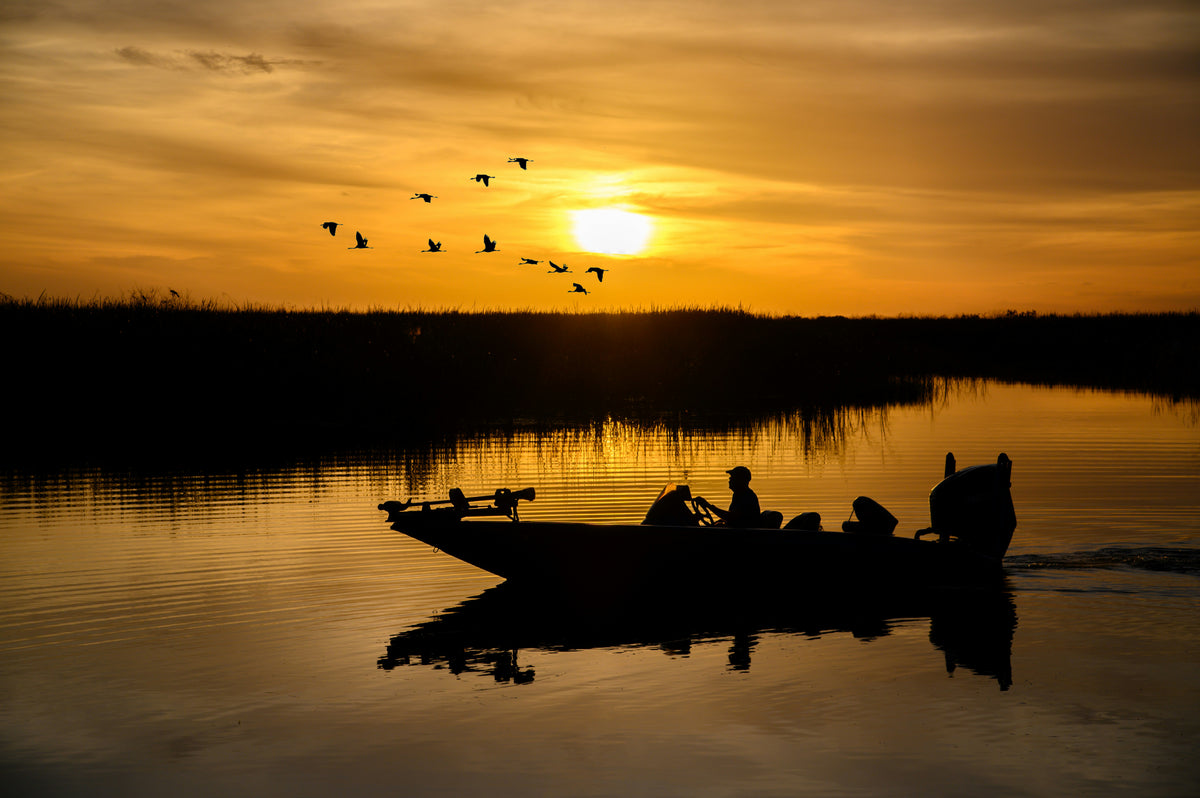
Arms of Andes’s commitment to protecting outdoor ecosystems
At Arms of Andes, sustainability is not just a principle—it’s a passion. As a brand dedicated to crafting high-performance outdoor clothing from the finest alpaca wool, we are committed to the protection of the natural environments we love and explore. Our clothing is designed to withstand the challenges of outdoor adventures, from mountain hikes to snowy expeditions, while minimizing our environmental footprint.
Just as we craft durable, sustainable outdoor gear, we believe in protecting the landscapes and ecosystems that make these activities possible. Arms of Andes’s mission aims to inspire our community to take action and support wetland conservation efforts worldwide.
Through education, awareness, and responsible practices, Arms of Andes is committed to preserving the natural wonders of the outdoors, including the wetlands that are vital to the health of our planet. By making thoughtful, eco-conscious choices, we can all contribute to a more sustainable future, where outdoor adventures and ecosystems thrive together. On World Wetlands Day, Arms of Andes stands with global efforts to protect these irreplaceable natural habitats, ensuring they remain for future generations of adventurers and nature lovers alike.
Sources (12)
- United Nations. World Wetlands Day [Internet]. 2025 [cited 2025 Jan 31]. Available from: https://www.un.org/en/observances/world-wetlands-day
- World Wildlife Fund. What is a wetland? And 8 other wetland facts [Internet]. 2025 [cited 2025 Jan 31]. Available from: https://www.worldwildlife.org/stories/what-is-a-wetland-and-8-other-wetland-facts
- Ramsar Convention Secretariat. Conservation of wetlands of India [Internet]. 2025 [cited 2025 Jan 31]. Available from: https://wgbis.ces.iisc.ac.in/energy/water/paper/conservation_wetlands/Conservation_of_wetlands_of_India.pdf
- Weber KP. Microbial community assessment in wetlands for water pollution control: Past, present, and future outlook. Water. 2016;8(11):503. doi: 10.3390/w8110503.
- Salimi S, Almuktar SAAAN, Scholz M. Impact of climate change on wetland ecosystems: A critical review of experimental wetlands. J Environ Manag. 2021;295:112160. doi: 10.1016/j.jenvman.2021.112160.
- Bydalek F, Ifayemi D, Reynolds L, et al. Microplastic dynamics in a free water surface constructed wetland. Sci Total Environ. 2022;838:160113. doi: 10.1016/j.scitotenv.2022.160113.
- Yu H, Qi W, Cao X, Hu J, Li Y, Peng J, Hu C, Qu J. Microplastic residues in wetland ecosystems: Do they truly threaten the plant-microbe-soil system? Environ Int. 2021;156:106708. doi: 10.1016/j.envint.2021.106708.
- Almeida CMR, Sáez-Zamacona I, Silva DM, Rodrigues SM, Pereira R, Ramos S. The role of estuarine wetlands (saltmarshes) in sediment microplastics retention. Water. 2023;15(7):1382. doi: 10.3390/w15071382.
- Haarstad K, Bavor HJ, Mæhlum T. Organic and metallic pollutants in water treatment and natural wetlands: a review. Water Sci Technol. 2012;65(1):76-99. doi: 10.2166/wst.2011.831.
- Mitsch W. Wetlands and climate change. Available from: https://www.researchgate.net/profile/William-Mitsch/publication/291586979_Wetlands_and_Climate_Change/links/56a6e8c808aeded22e3548e3/Wetlands-and-Climate-Change.pdf
- Calzadilla Cabrera D, Wang Q, Martín M, Oliver Rajadel N, Rousseau DPL, Hernández-Crespo C. Microplastics occurrence and fate in full-scale treatment wetlands. Water Res. 2023; 239:120106. doi: 10.1016/j.watres.2023.120106.
- UNESCO. World Heritage and Wetlands. UNESCO World Heritage Centre; 2023. Available from: https://whc.unesco.org/fr/actualites/2740


