


Fiber
Alpaca wool vs merino vs cashmere: which is the best?
In the realm of high-quality garments, animal fibers reign supreme. Renowned for their fineness, delicate touch, natural luster, and unparalleled comfort, these fibers are the cornerstone of luxury apparel. [1] However, discerning the nuances between these fibers with the naked eye is an impossible feat. Intricate details like fiber diameter, moisture-wicking capabilities, and even the consequences of improper storage [2] require meticulous research and expert analysis.
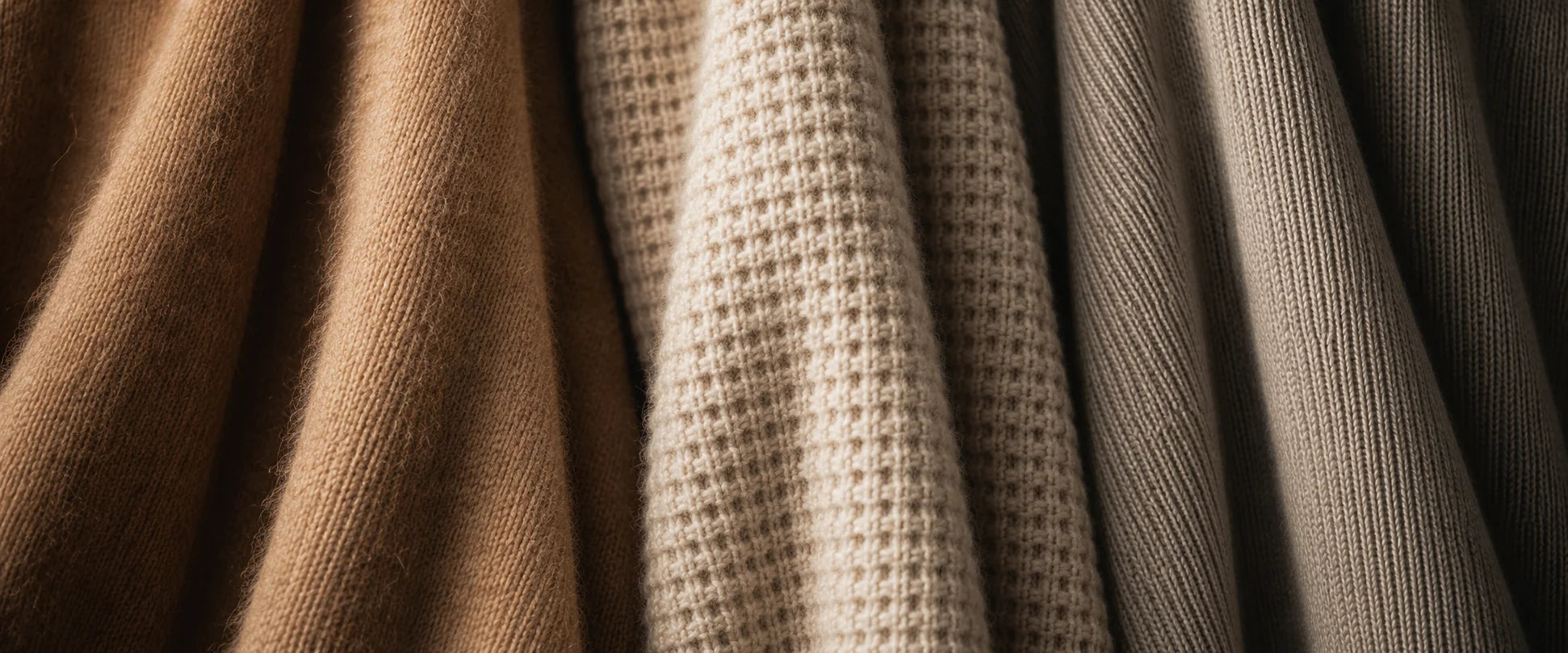
In this blog post, we delve into the fascinating world of animal fibers, comparing three industry giants— merino wool, Alpaca wool, and cashmere —all of which possess unique characteristics that set them apart. We’ll assess their strengths and weaknesses, ultimately determining which one reigns supreme.
But first, let's clarify what we mean by "wool." Wool is a natural animal fiber derived from the fleece of specific animals. It comprises keratin, a protein synthesized in specialized hair follicles located in the animals' skin [1,3]. Why the emphasis on hair follicles?
Imagine the tiny openings in our skin from which hair or hair emerges, and in animals, their fur. These are hair follicles, and they play a crucial role in determining the fineness of animal fibers. In young animals, follicles produce very fine hair close to the skin. As they mature, these follicles generate thicker hair [3] to protect them from the harsh climate they will have to face.
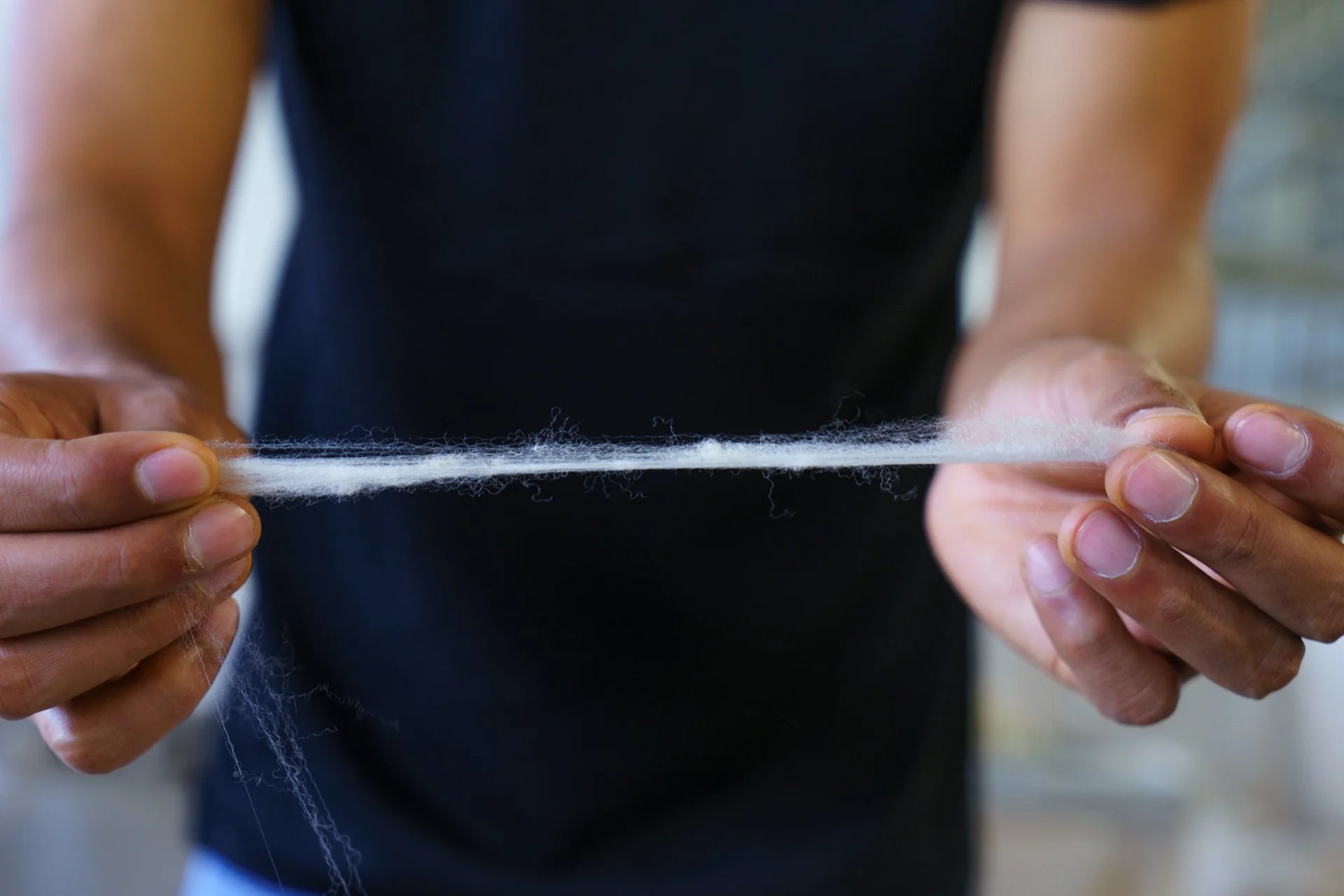
Animal fibers in the textile industry: Alpaca, merino, and cashmere compared
The use of animal fibers in textiles stems from their status as a natural, renewable, and biodegradable resource, provided they remain free from chemical treatments [1].
In the textile industry, sheep's wool, such as merino, is not typically classified as a fine animal fiber like Alpaca, camel, llama, vicuña, or guanaco. However, it shares the same market for garments made with natural animal fibers. Interestingly, their chemical, physical, and histological properties are remarkably similar, as all these fibers and their derivatives contain a high percentage of sulfur—derived from keratin—making them more resistant to moisture and chemical agents [1,3].

Merino wool: is functionality and versatility enough?
Merino wool, a highly functional, technical, and durable fiber primarily used in outdoor clothing, comes from sheep and dominates the market. Over the past 25 years, an average of 1.2 million tons of merino wool has been produced annually from roughly half a million farms spread across 100 countries worldwide [4].
Merino sheep were originally bred in Spain and later introduced to Australia, New Zealand, the United States, and other countries. Given the relatively mild climates of Spain and Australia, these sheep do not endure harsh winters. Merino is considered the finest sheep wool, and today, most Merino sheep farms are located in Oceania, with the extracted wool primarily used to manufacture base-layer garments [4].
The key difference between sheep wools—including merino—and Alpaca wool and cashmere, lies in the presence of lanolin, a hydrophobic fat found in merino fibers [5]. While lanolin prevents moisture retention in the garment, it can cause skin irritation by repelling moisture from the skin, further increasing the sensation of heat. Read more about the comparison between Alpaca and merino wool here.

Cashmere: the epitome of luxury
Cashmere comes from a specific goat species native to Mongolia and to this day is referred to as “soft gold” due to its unparalleled softness. Today, China has joined Mongolia as the leading producers of cashmere goats. [6,7.8]. Studies have shown that cashmere from Asia—specifically China, Mongolia, and Iran—is significantly softer to the touch than cashmere produced in the USA and Oceania [8].
Cashmere is exceptionally warm, soft, and generally considered non-itchy, as goats do not produce lanolin. The warmth of cashmere stems from the crimp of its fibers; the curlier the fiber, the warmer it is [7]. Cashmere boasts this quality, coupled with an incredibly fine fiber diameter, reaching up to 15 microns [1,7].
These qualities make cashmere unsuitable for sportswear, as its delicate fibers are prone to breakage. Cashmere is not a particularly durable fiber, making it less ideal for outdoor activities like trail running, rock climbing, or intense hiking. It is primarily used for elegant sweaters, scarves, occasion wear, and luxury apparel.
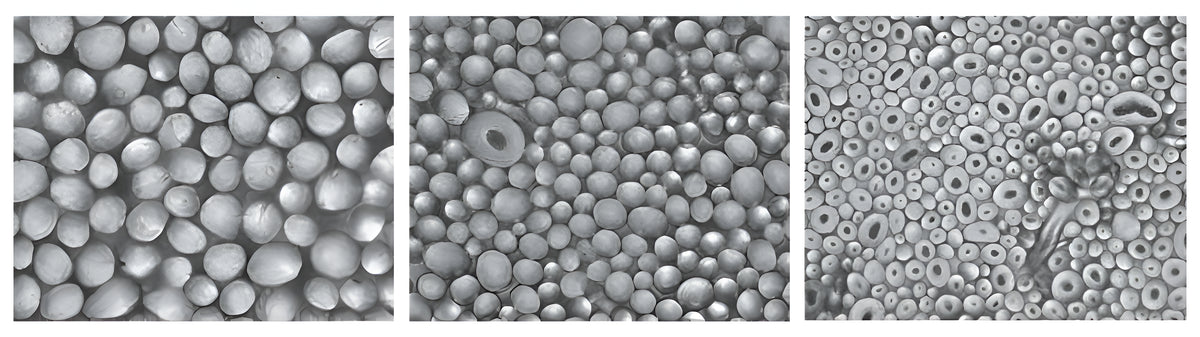
Alpaca wool: the perfect blend of comfort and adaptability
Alpaca wool seamlessly combines the benefits of merino and cashmere. Highly functional, warm, and durable, it is used in both luxury and outdoor clothing.
The remarkable benefits of Alpaca wool originate from millennia of breeding in the high altitudes of the Andes Mountains [1,2,3]. Today, alpacas are raised not only in South America but also in countries like Australia and New Zealand.
The harsh environment of the South American Andes, where alpacas have thrived for centuries, demanded a fiber capable of withstanding drastic temperature fluctuations, from sub-zero temperatures at night to intense solar radiation during the day. Consequently, alpacas naturally adapted, developing microscopic pockets within their fiber cores, resulting in a lightweight fleece that is warmer than merino [3].
Another crucial factor is whether the fibers are medullated. Medullation refers to a central core within the fiber, which can vary in size [3,9,10,11]. This core influences the fiber's properties, such as heat and moisture retention, resilience, and versatility. Merino wool and cashmere are mostly non-medullated although there are exceptions; while Alpaca wool is partially medullated [10,11,12]. What does that mean? The presence of a medullation in the fiber makes it warmer, thicker, and more prone to breaking due to the hollow spaces within its fleece, and the absence of a medullation gives it greater softness and heat retention. Alpaca, being partially medullated, has the best of both worlds, making its adaptability an unmatched property.
As we have explored in previous sections, hair follicles play a pivotal role in wool production, creating a variety of Alpaca wool fibers that can reach diameters of up to 17.5 microns and a crimp that rivals the luxurious feel of cashmere, all while retaining the exceptional qualities of Alpaca wool.
| Properties | Royal Alpaca Wool | Cashmere | Merino Wool |
|---|---|---|---|
| Weight | Lightest | Light | Heavier |
| Fiber Structure | Semi-Hollow | Solid | Solid |
| Thermal Capacity | 5 x Warmer | 3 x Warmer | Warm |
| Water Retention | Absorbs 10% of weight | Shrinks in water | Absorbs 10% of weight |
| UV Protection | Yes | Yes | Yes |
| Fiber Scales | Smoothest | Softest | Prickly |
| Microns (average) | 17.5 | 14 | 18 |
| Tensile Strength | Highest | Weak | High |
| Odor Resistance | Yes | Yes | Yes |
| Wrinkle Resistance | Yes | Yes | Yes |
| Hypoallergenic (Lanolin free) | Yes | Yes | No |

The final verdict: and the winner is...
After a comprehensive analysis of Alpaca, merino, and cashmere, it's clear that cashmere, while undeniably luxurious, lacks the durability required for outdoor garments. However, it excels as a high-end fiber for special occasions and elegant attire.
In the head-to-head battle between Alpaca and merino, Alpaca emerges as the undisputed champion! Alpaca wool surpasses merino in warmth, lightness, softness, and strength. It's a natural choice for those seeking performance, comfort, and sustainability.
Sources (12)
- Zoccola M, Bhavsar P, Anceschi A, Patrucco A. Analytical methods for the identification and quantitative determination of wool and fine animal fibers: A review. Fibers. 2023;11(8):67.doi:10.3390/fib11080067.
- Thompson R. An introduction to evaluating Alpaca fleece attributes and interpreting Alpaca fibre tests. ResearchGate. 2016. Available from: https://www.researchgate.net/publication/289723251_An_introduction_to_evaluating_alpaca_fleece_attributes_and_interpreting_alpaca_fibre_tests
- Gerken B. Advances in animal genetics and breeding. OAPEN Library. 2020. Available from: https://library.oapen.org/bitstream/handle/20.500.12657/37234/gerken_advances.pdf?sequenc#page=25
- Zenda M, Malan P.J., Geyer A.C. An analysis of the wool characteristics that determine wool price for Merino wool in South Africa. Scientific African. 2024. https://doi.org/10.1016/j.sciaf.2023.e02005
- PubChem. Lanolin [Internet]. Bethesda (MD): National Library of Medicine (US); [cited 2024 Nov 21]. Available from: https://pubchem.ncbi.nlm.nih.gov/compound/Lanolin
- Zheng YY, Sheng SD, Hui TY, Yue C, Sun JM, Guo D, Guo SL, Li BJ, Xue HL, Wang ZY, Bai WL. An integrated analysis of cashmere fineness lncRNAs in cashmere goats. Genes. 2019;10(4):266. doi:10.3390/genes10040266.
- McGregor BA. Variation in the softness and fiber curvature of cashmere, Alpaca, mohair and other rare animal fibers. J Text Inst. 2013;105(6):597–608. doi:10.1080/00405000.2013.828448.
- Duan C, Zhang L, Gao K, et al. Cashmere production, skin characteristics, and mutated genes in crimped cashmere fiber goats. Animal. 2022;16(7):100565. doi:10.1016/j.animal.2022.100565.
- Corbman BP. Textiles: Fiber to Fabric. 7th ed. New York: Fairchild Publications; 2010.
- Allain D, Renieri C. Genetics of fiber production and fleece characteristics in small ruminants, Angora rabbit and South American camelids. Animal. 2010;4(9):1472–1481. doi:10.1017/S1751731110000029.
- Radzik-Rant A., Pofelska O., Rant W. Characteristics of Alpaca wool from farmed animals located on different continents. Annals of Warsaw University of Life Sciences - SGGW. Animal Science. 2018;57(2):151-158. DOI 10.22630/AAS.2018.57.2.15. Available from: https://agro.icm.edu.pl/agro/element/bwmeta1.element.agro-ecf2a896-4e5f-46b7-a22d-8d3752fab74f
- Radzik-Rant A, Wiercińska K. Analysis of the wool thickness and medullation characteristics based on sex and color in a herd of alpacas in Poland. Arch Anim Breed. 2021;64(1):157–165. doi:10.5194/aab-64-157-2021. Available from: https://aab.copernicus.org/articles/64/157/2021/


