


Trail
Clothing for snowboarding & skiing
Winter has arrived, bringing with it the excitement of snow sports like skiing and snowboarding. These activities are not just thrilling but also a great way to stay active and boost your mental health during the colder months. Whether you're hitting the slopes for the first time or you're a seasoned snow sports enthusiast, the clothing you wear can make or break your experience.
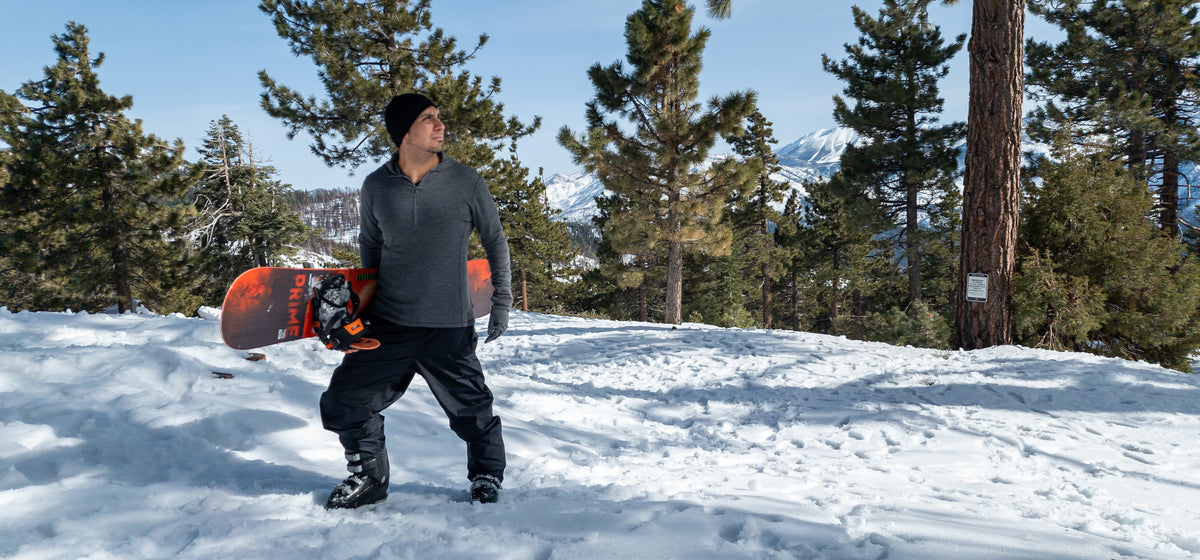
Why does clothing matter for snow sports?
Snow sports take place in cold conditions—naturally, that's where the snow stays intact! However, skiing, snowboarding, and even snowshoeing are highly physical activities. You’ll likely work up a sweat as you carve down slopes or hike snowy trails, but you'll also experience periods of rest, such as on ski lifts, where the cold can quickly catch up to you.
That’s why your clothing needs to meet specific demands: quickly catch up to you.
- Warmth: To keep you cozy during breaks or low activity levels [1].
- Breathability: So sweat doesn’t make you damp and cold.
- Lightweight and Flexible: To allow freedom of movement without feeling bulky [1].
- Weather Protection: To shield you from wind, snow, and rain [2].
Dressing for the slopes: the power of layering
When it comes to snow sports, layering is your best friend. A good layering system ensures you stay warm, dry, and adaptable to changing weather or activity levels. Here’s a breakdown of the three essential layers:
- Base Layer: This is your next-to-skin layer, responsible for wicking sweat away and keeping you dry.
- Mid Layer: The insulating layer that provides warmth without restricting movement or causing overheating.
- Outer Shell: Your defense against wind, snow, and rain. Ski jackets and pants serve as this protective barrier.
Choosing the right weight: Alpaca wool GSM guide
GSM (Grams per Square Meter) is a unit of measurement that indicates the weight and density of a fabric. The higher the GSM, the thicker and warmer the material.
At Arms of Andes, we design our alpaca wool clothing with three different GSM levels to meet the needs of every winter adventurer:
420 midweight
A thicker, high-performance layer designed for extreme cold conditions. Found in jackets, leggings, sweatpants, beanies, gloves, and socks, this fabric provides exceptional insulation for the harshest winter adventures [1,3].
For snowboarders, skiers, and winter hikers, weight matters. Every gram counts when you're climbing, carrying gear, or navigating the slopes. Alpaca wool’s unique insulation properties allow for lightweight warmth, meaning you stay protected without unnecessary bulk.
Five reasons to choose Alpaca wool for snow sports
Alpaca wool is the ultimate base and mid layer material for tackling the demands of skiing and snowboarding. Its unique properties make it an exceptional choice for base and mid layers, ensuring comfort and performance on the slopes.
1. Exceptional warmth
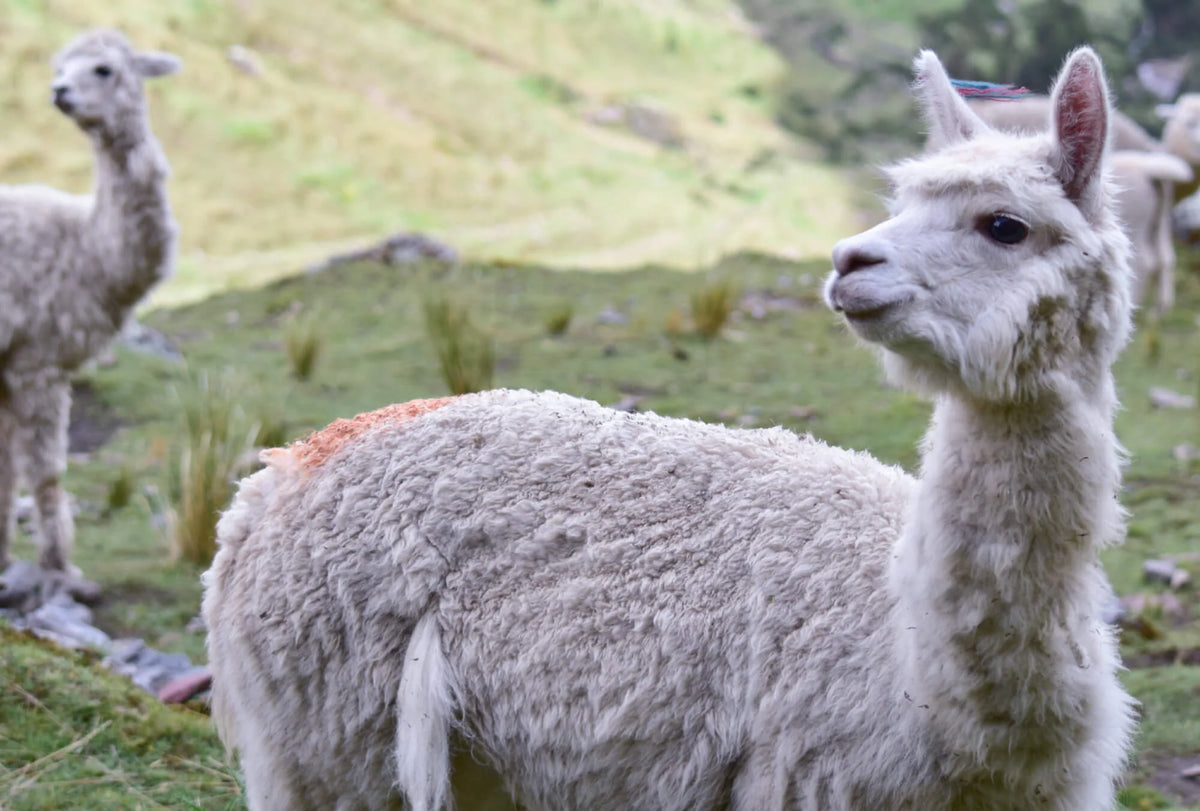
Alpaca wool fibers feature semi-hollow cores, providing incredible insulation. Combined with their natural crimp (waviness), these fibers trap heat efficiently, making alpaca wool hoodies and jackets perfect mid-layer options for cold conditions.
2. Breathable and moisture-wicking
One of alpaca wool’s standout qualities is its ability to wick moisture away from your skin while remaining highly breathable. This means you stay dry and comfortable, even during intense physical activity. Alpaca wool base layers, such as leggings and shirts, excel in keeping you warm and sweat-free.
3. Temperature regulation
Alpaca wool’s unique ability to balance warmth and breathability helps regulate your body temperature. Whether you're racing downhill or waiting for the ski lift, alpaca wool keeps you warm in the cold and prevents overheating during activity.
4. Lightweight and flexible
Thanks to its excellent insulating properties, alpaca wool keeps you warm without adding bulk. This lightweight quality ensures freedom of movement—crucial for maintaining balance and agility on the slopes.
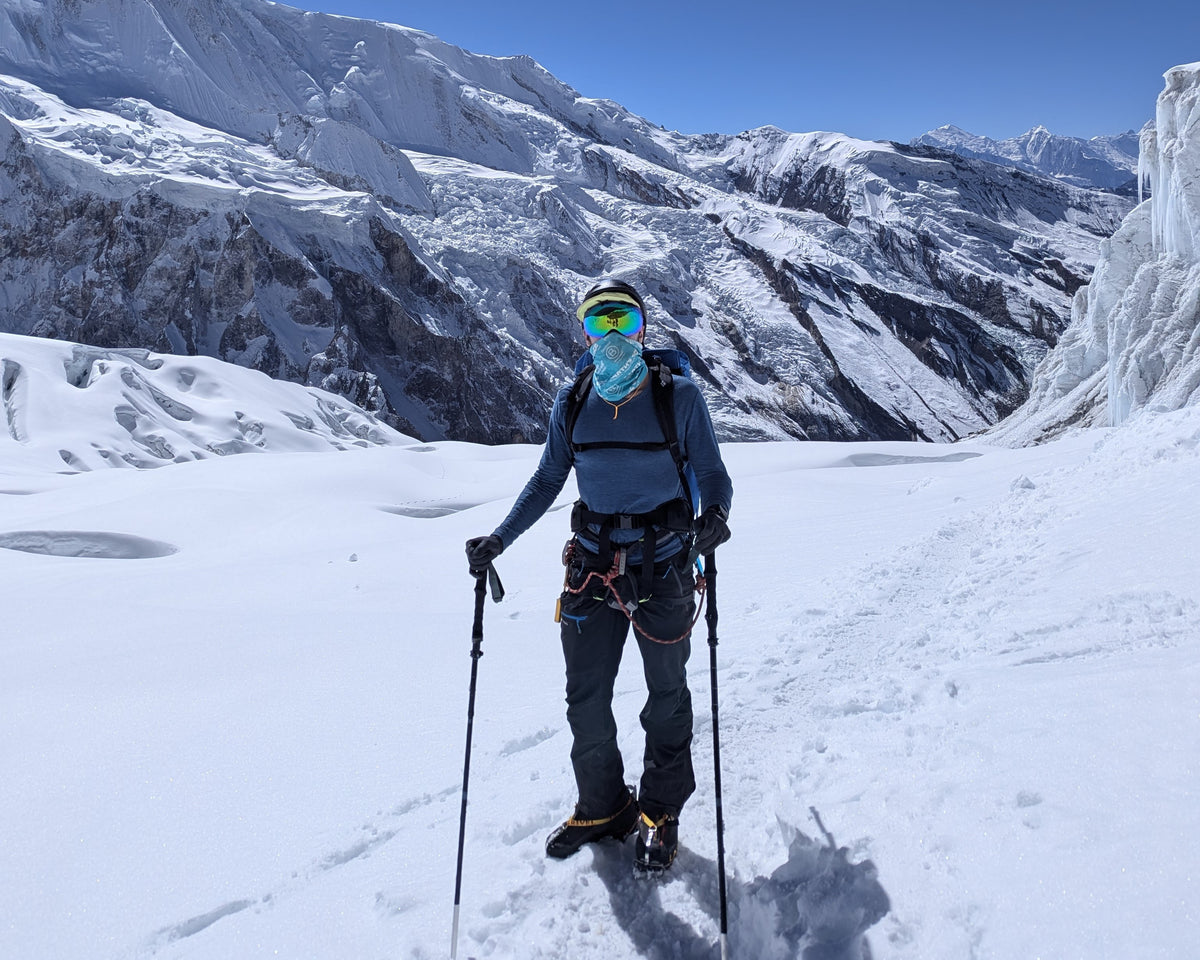
5. Thoughtful design for extra coverage
Arms of Andes alpaca wool clothing is designed with functionality in mind:
- Hoodies with dropped hems, thumb loops, and snug-fitting hoods ensure you stay covered no matter how you move.
- Leggings with high waists provide additional warmth and comfort under ski pants.
- Accessories like alpaca wool beanies and neck gaiters are must-haves. Beanies fit comfortably under helmets, while neck gaiters double as scarves, headbands, and face covers, offering extra protection against the elements.
Elevate your snow gear with Alpaca wool
When it comes to snowboarding and skiing, investing in the right clothing makes all the difference. Alpaca wool not only meets but exceeds the demands of snow sports, offering a sustainable, high-performance alternative to synthetic materials.
From base layers that wick moisture away to mid layers that provide unparalleled warmth, alpaca wool is your ultimate snow companion. And with accessories like beanies and neck gaiters, you’ll stay protected from head to toe.
So next time you hit the slopes, gear up with alpaca wool—and experience the difference that thoughtful, natural design can make in your winter adventures.
Sources (3)
- Bartl, K., Mogrovejo, P., Dueñas, A., & Quispe, I. (2023). Cradle-to-grave environmental analysis of an alpaca fiber sweater produced in Peru. Science of The Total Environment, 905, 167023.
- Czaplicki, Z., Mikołajczyk, Z., & Prążyńska, A. (2018). Analysis of functional properties of knitted fabrics made of alpaca wool and other fibres. Fibres & Textiles in Eastern Europe, 26(3 (129)).
- Moore, K. E. (2015). The impact of fleece characteristics on insulation and heat exchange, and the consequential effect on vitamin D of alpacas in southern Australia.


