

Trail
Winter camping | what to sleep in for cold weather
Winter camping is an unforgettable experience —stunning landscapes, crisp air, and the deep stillness of a snow-covered forest. But without the right gear, those dreamy nights can turn into a battle against the cold. If you've ever woken up shivering in your tent at 3 AM, you know how crucial it is to prepare properly. Whether you're a seasoned winter camper or heading out for your first cold-weather adventure, here’s everything you need to know about staying warm while you sleep [1].

Choosing the right sleeping system for winter camping
Your sleeping system is your first line of defense against freezing temperatures. This includes your tent, sleeping bag, and sleeping pad—each playing a vital role in retaining heat and keeping you comfortable throughout the night.
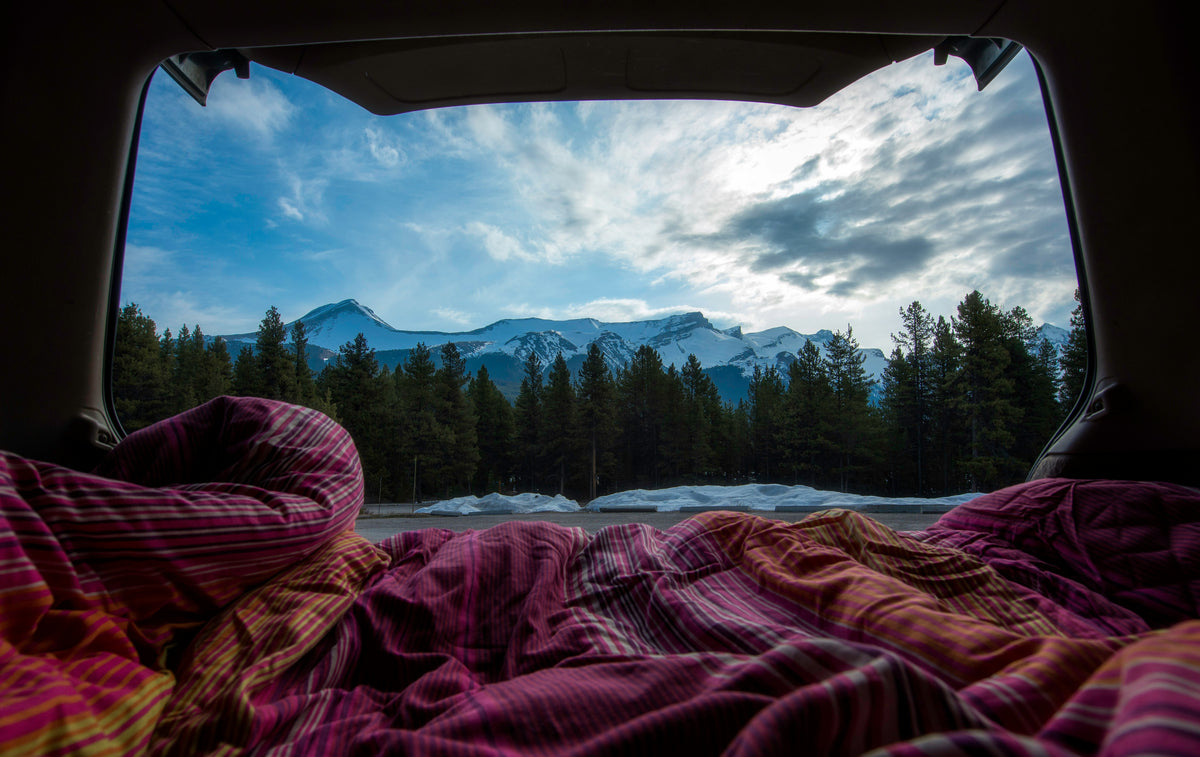
1. Picking the right tent for cold weather
Not all tents are built for winter conditions. Choosing the right one can make or break your trip.
- Three-Season Tents: Suitable for mild winter camping when paired with the right sleeping bag and insulation layers. These tents offer good ventilation, preventing condensation buildup.
- Four-Season Tents: Designed to withstand heavy snow and strong winds, these tents provide better insulation and stability in extreme cold.
- Double-Wall vs. Single-Wall Tents: Double-wall tents have a breathable inner layer and a waterproof outer layer, reducing condensation. Single-wall tents are lighter but can trap moisture inside [2,3].
If you expect harsh winter conditions, a four-season tent with a full-coverage rainfly and reinforced poles will provide insulation and stability against heavy snow and strong winds. However, for extreme environments —such as high-altitude expeditions or Arctic camping—an expedition tent is the safest choice, as it is designed to endure severe storms, subzero temperatures, and prolonged exposure to the elements [2].
2. Choosing the best sleeping bag for winter camping
Your sleeping bag is your primary source of insulation, trapping body heat while keeping out the cold [1].
- Temperature Rating: Look for a comfort rating that matches or is slightly lower than the expected nighttime temperature [3].
- Down vs. Synthetic Insulation:
- Down: Warmer, lighter, and highly compressible, but loses insulation when wet [1,3].
- Synthetic: Retains warmth even when damp, dries faster, and is more affordable [1,2].
- Mummy vs. Rectangular Shape: Mummy bags contour to your body, minimizing empty space where cold air can settle. Rectangular bags offer more space but are less thermally efficient [3].
Pro Tip: A sleeping bag liner can add extra warmth and help keep your bag cleaner for longer.
3. The role of a sleeping pad in winter camping
A sleeping pad is not just for comfort—it’s a crucial part of your insulation system, preventing heat loss to the frozen ground [1].
- Closed-Cell Foam Pads: Lightweight, durable, and provide solid insulation.
- Self-Inflating Pads: Offer a balance between warmth, comfort, and packability.
- Air Pads with Insulation: More comfortable but require additional insulation in extreme cold.
Check the R-value: A sleeping pad’s R-value measures its insulation against the cold ground, ranging from 0 to 6 —the higher, the warmer. For winter camping, aim for an R-value of 4 or higher to retain body heat. In extreme cold, layering a closed-cell foam pad under an inflatable one adds extra insulation.
How to stay warm while sleeping outdoors
Beyond your gear, there are several tricks to ensure you stay warm through the night.
1. Layer up wisely
Wearing the right layers can make a massive difference:
- Base Layer: Moisture-wicking wool [1,4] or synthetic fabric to keep sweat off your skin [5].
- Mid Layer: Insulating layer like fleece or down.
- Outer Layer: Windproof and waterproof shell to block out snow and moisture.
Avoid cotton, as it retains moisture and draws heat away from your body [1,5].
2. Keep your head and extremities warm
Your body loses heat fastest through exposed areas. A beanie or insulated hood keeps warmth from escaping, while thick socks and light gloves help maintain circulation in your hands and feet [3].
3. Pre-warm your sleeping bag
Jumping into an ice-cold sleeping bag is never pleasant. Try these techniques to warm it up before bed:
- Use a Hot Water Bottle: Fill a bottle with hot water and place it in your bag before sleeping.
- Layer Extra Clothes Inside: Stuff your dry clothes at the bottom to keep them warm for the morning.
- Do Light Exercise Before Sleeping: A few jumping jacks or push-ups generate body heat that gets trapped inside your bag [1].
4. Eat high-calorie foods before bed
Your body burns energy to stay warm. Eating high-fat and high-protein snacks before sleeping—like nuts, cheese, or chocolate—gives your metabolism a steady fuel source for heat production.
5. Manage moisture and condensation
Moisture is your worst enemy in winter camping. Here’s how to stay dry:
- Ventilate Your Tent: Reduces condensation from breath and body heat [3].
- Avoid Overheating: Sweating in your bag makes it damp and cold later.
- Use a Vapor Barrier Liner: Prevents moisture from your body from reaching your sleeping bag insulation [2].

Final tips for a warm night in the wild
- Stay Dry: Change into dry clothes before sleeping.
- Double Up on Sleeping Pads: A foam pad under an insulated air pad boosts warmth.
- Share Body Heat: If camping with a partner, zip-together sleeping bags can help retain warmth.
Winter camping is a test of preparation, but with the right sleeping system and a few smart strategies, you’ll wake up refreshed instead of frozen. Whether you’re deep in the mountains or nestled in a snowy forest, staying warm means staying safe and enjoying the adventure.
Ready to take on the cold? Gear up, step outside, and experience winter like never before!
Sources (5)
- Princeton University Outdoor Action Program. (n.d.). Outdoor action guide to winter camping. Retrieved from https://www.princeton.edu/~oa/winter/wintcamp.shtml
- Backpacking Light. (2023). By the numbers: How does tent design and materials influence cold-weather camping comfort? Retrieved from https://backpackinglight.com/by-the-numbers-tent-design-materials-influence-cold-weather-camping-comfort-seeber/
- REI Co-op. (2023). How to stay warm while winter camping. Retrieved from https://www.rei.com/learn/expert-advice/winter-camping.html
- Li, Y., Holcombe, B. V., & Apcar, F. (1992). Moisture buffering behavior of hygroscopic fabric during wear. Textile research journal, 62(11), 619-627
- DenHartog, E. (2023). The science of staying warm in winter. PBS North Carolina. Retrieved from https://www.pbsnc.org/blogs/science/the-science-of-staying-warm-in-winter/


