


Trail
Everything you need to know before your next ski trip
Planning your next ski adventure? Whether you’re a seasoned skier or hitting the slopes for the first time, preparation is key to making the most of your trip. From choosing the right gear to staying warm in freezing temperatures, this guide covers everything you need to know before your next ski trip.
Let’s get you slope-ready with tips that blend performance, comfort, and sustainability.
1. What to wear for skiing: mastering the art of layering
When skiing, your clothing isn’t just about style—it’s your first line of defense against the cold. The secret? Layering smartly. Here’s how to do it right:
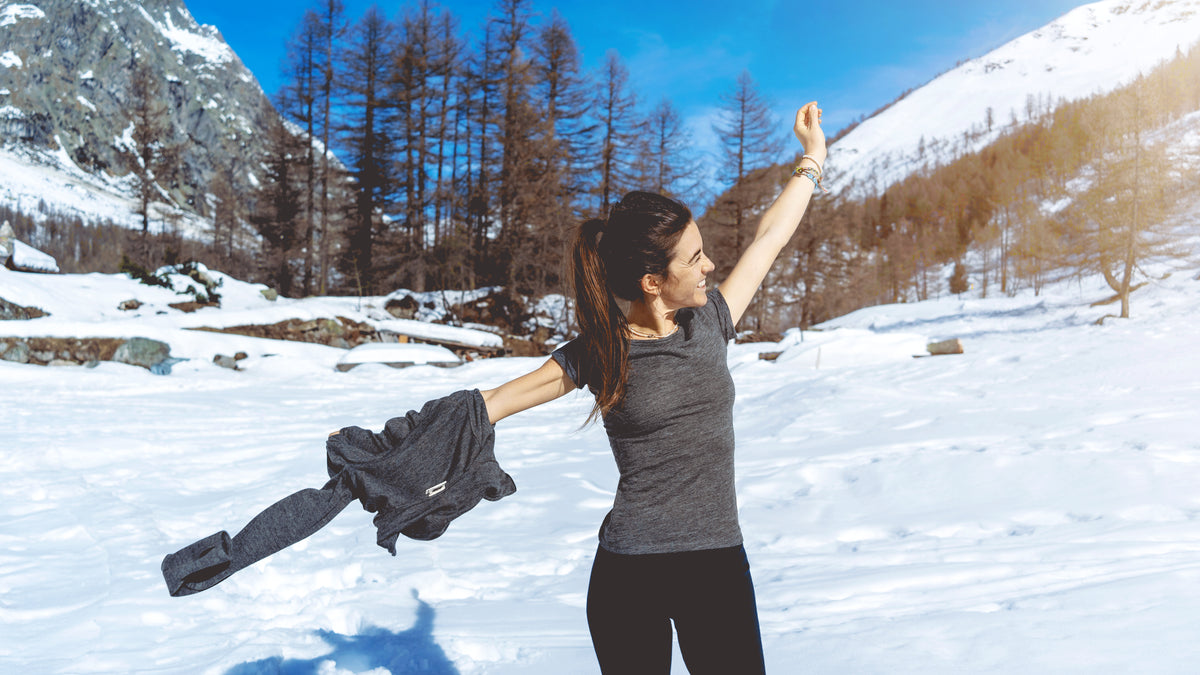
Base layer: your second skin
Think of the base layer as your climate control system. It should wick away moisture while keeping you warm. Alpaca wool is the ultimate choice because it’s:
- Naturally thermoregulating: Keeps you warm without overheating [1].
- Moisture-wicking: Stays dry even after hours of activity [1].
- Hypoallergenic: Perfect for sensitive skin [2,3].
For full coverage, opt for long-sleeve tops, thermal leggings, and warm alpaca wool socks. Bonus tip: Pack extra pairs of socks—they’re your best friends after a long day in the snow.
Mid layer: your insulation hero
The mid layer traps body heat while allowing sweat to escape. You can choose from fleece, synthetic fibers, or—better yet— natural alpaca wool sweaters. Why alpaca?
- Lightweight yet warm: Provides insulation without the bulk [4,5].
- Breathable: Prevents that clammy feeling after intense runs [5].
- Environmentally responsible: Sourced sustainably, reducing your environmental footprint [2,5].
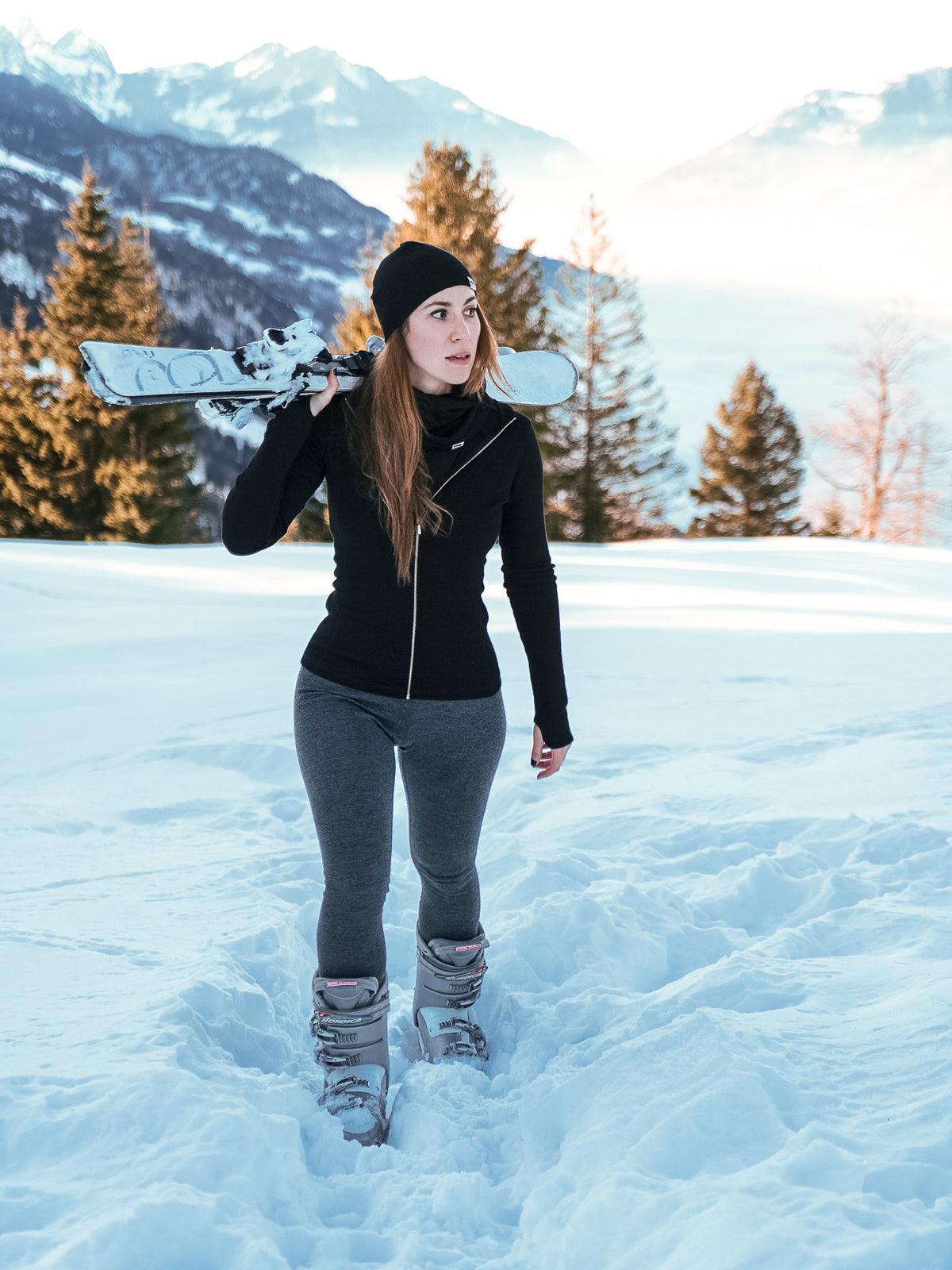
Outer layer: your shield against the elements
The outer layer protects you from wind, snow, and moisture [6]. Look for:
- Waterproof ski jackets and pants with sealed seams.
- Windproof features to block chilly gusts.
- Ventilation zippers for temperature control.
Don’t forget the essentials: gloves, a beanie, and a neck warmer. These small items make a big difference when battling harsh weather.
2. Prepare your body: get fit for the slopes
Skiing isn’t just a leisure activity—it’s a full-body workout. Preparing physically will help you enjoy longer days on the slopes without burning out [7,8].
Key focus areas:
- Leg strength: Squats, lunges, and step-ups to handle those intense downhill runs.
- Core stability: Planks and Russian twists improve balance.
- Cardiovascular endurance: Jogging, cycling, or HIIT workouts to boost stamina.
You don’t need to train like an athlete, but a few weeks of pre-ski conditioning can make a huge difference.
3. Organize your ski gear like a pro
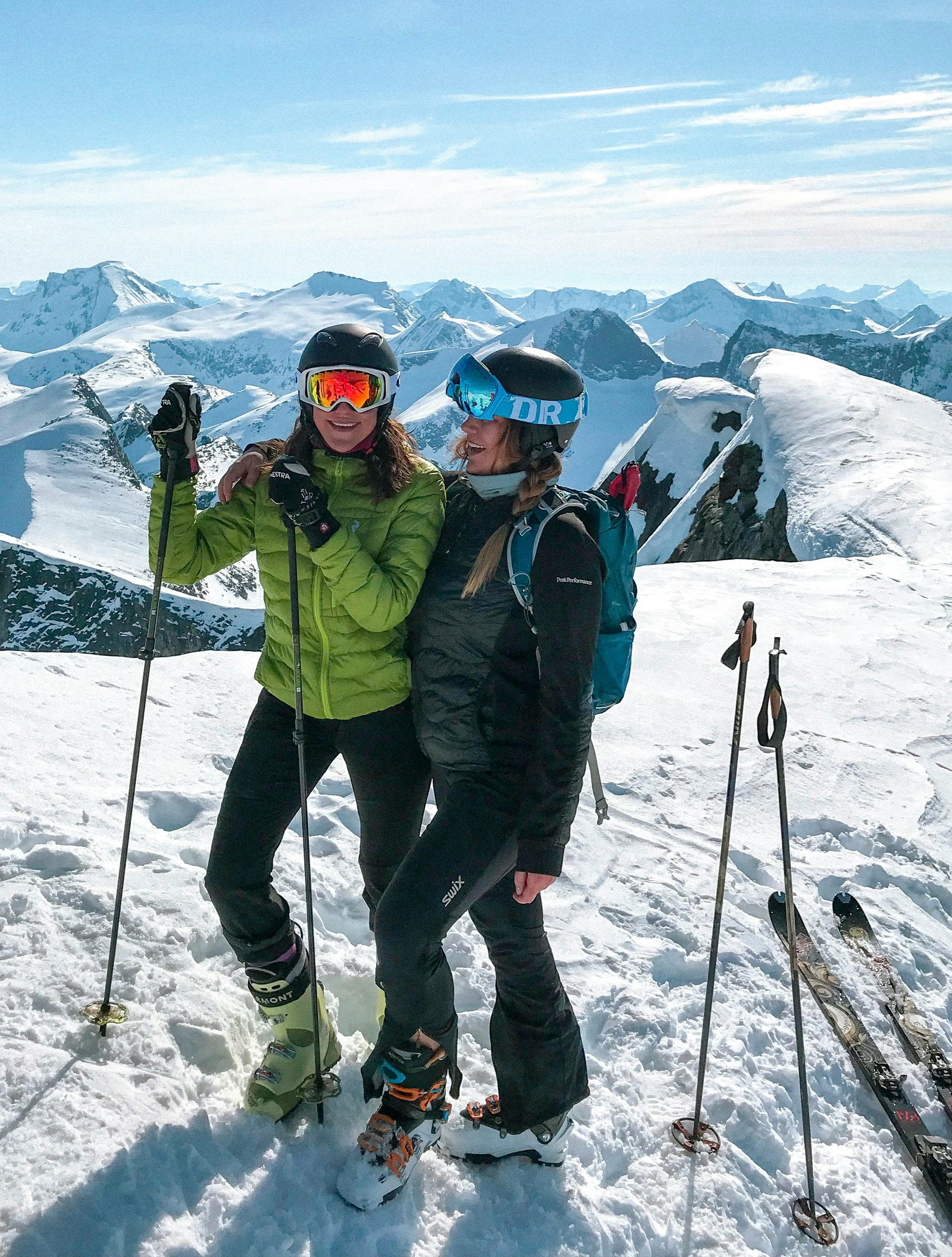
If it’s your first ski trip, renting equipment is a smart move. Here’s what you’ll need:
Essential ski gear:
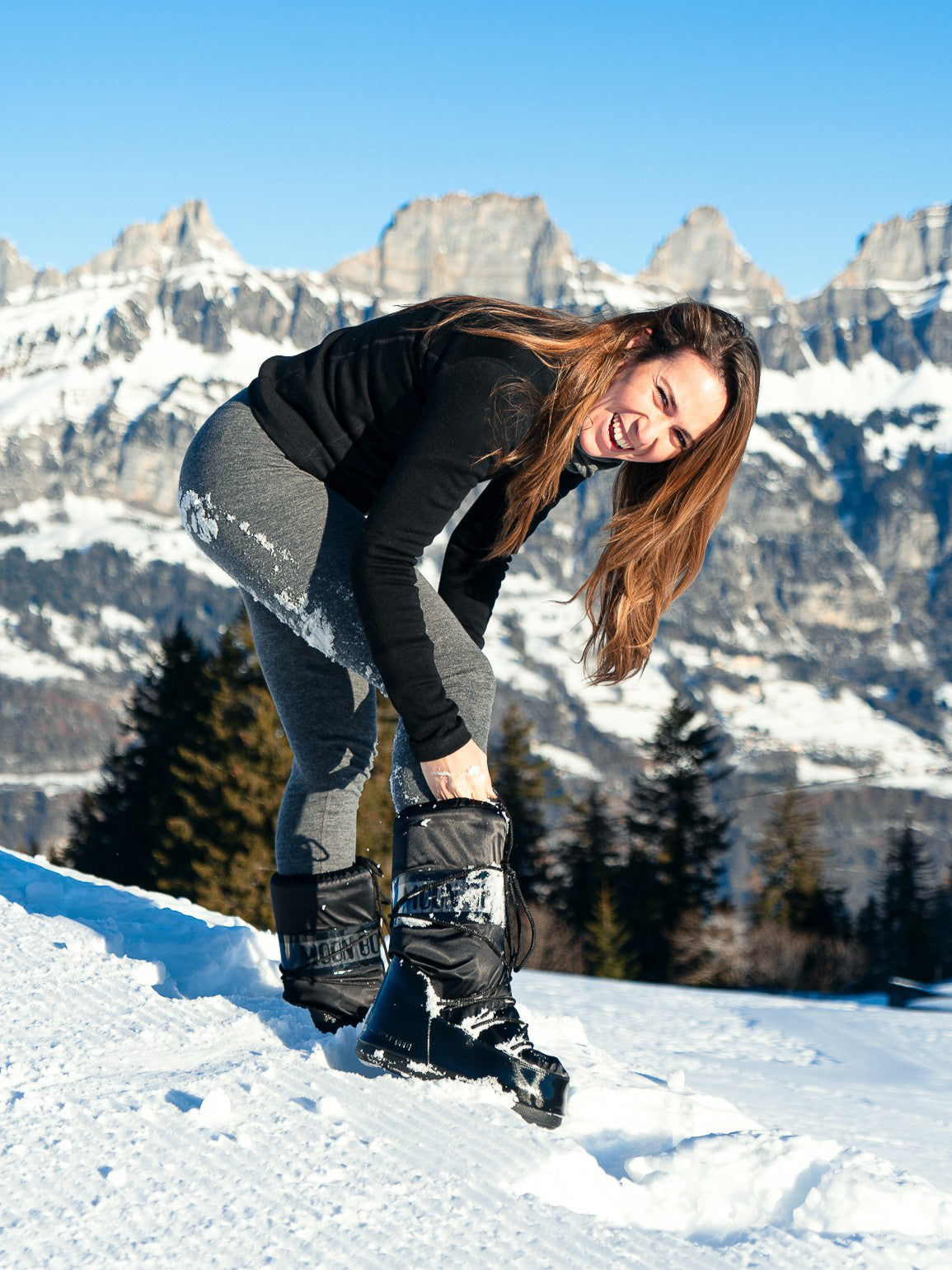
- Ski Boots: Should feel snug but not painfully tight. Wear thick socks when trying them on.
- Skis: Trust rental shop experts to match you with the right pair based on your skill level.
- Poles: Proper height ensures better control. When planted vertically, your elbow should form a 90° angle.
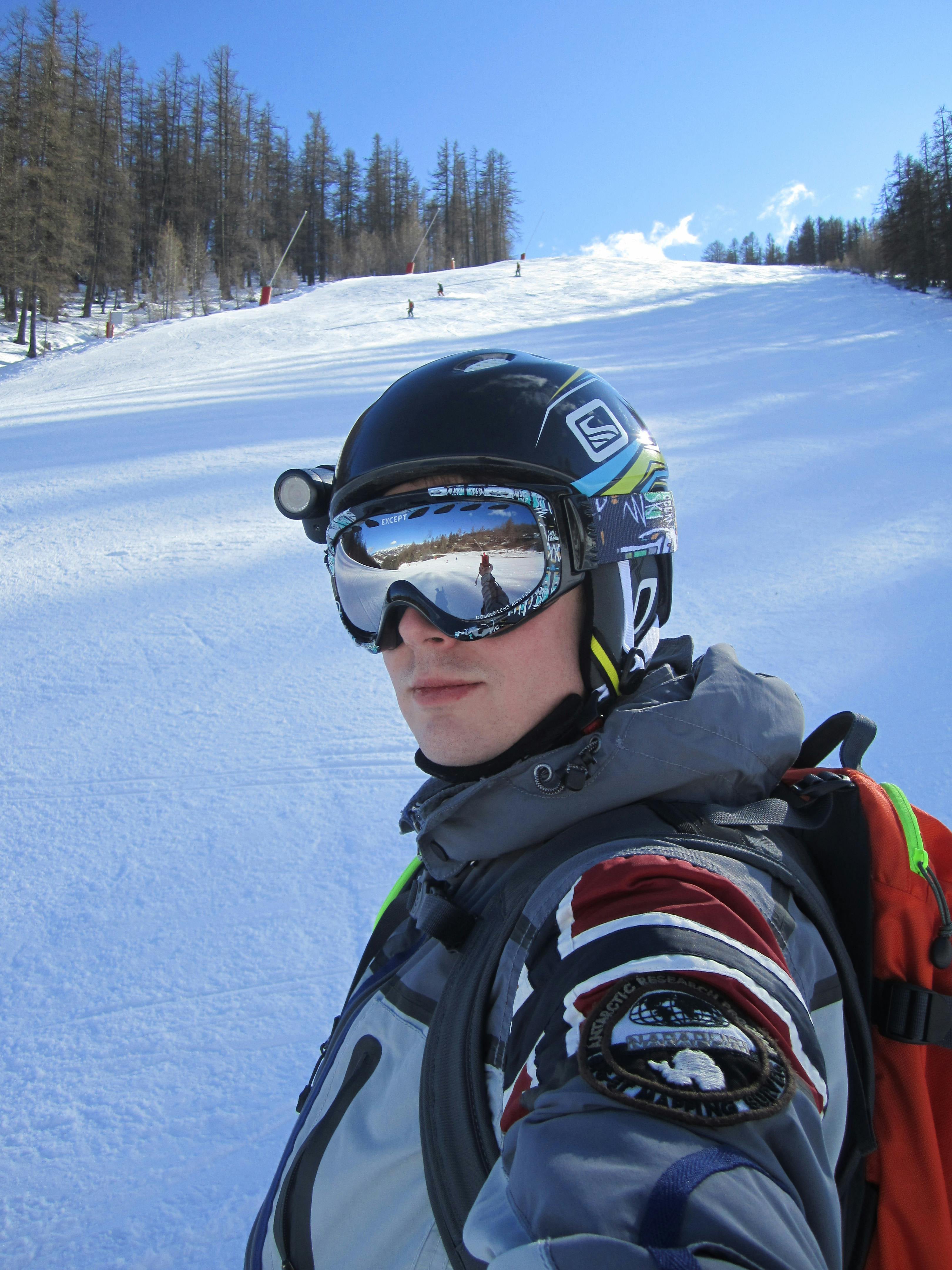
- Helmet: Safety first! Always wear one, even if you’re an experienced skier.
- Goggles: Protect your eyes from snow glare and UV rays.
Pro tip:
Pack a small repair kit with duct tape, zip ties, and a multi-tool. You’ll thank yourself if something breaks mid-run.
4. Protect yourself from the elements
Skiing isn’t just cold—it’s also sun-intense due to snow’s reflective properties. Don’t underestimate the power of the sun at high altitudes.
Must-have protection:
- High-SPF Sunscreen: Apply even on cloudy days.
- UV-Protective Lip Balm: Prevent painful chapped lips.
- Polarized Goggles: Reduce glare and protect your eyes from UV damage.
Hydration is key, too. Cold weather can dehydrate you faster than you think. Carry an insulated water bottle to keep fluids from freezing.
5. The ultimate ski trip checklist
Make packing stress-free with this sustainable skier’s checklist:
- Base Layers: Long-sleeve top, thermal leggings, alpaca wool socks.
- Mid Layer: Insulating alpaca wool sweater or fleece.
- Outer Layer: Waterproof ski jacket and pants.
- Accessories: Gloves, beanie, neck warmer, helmet, goggles.
- Gear: Skis, poles, boots (or rent on-site).
- Protection: Sunscreen, UV lip balm, hydration bottle.
- Extras: Repair kit, energy snacks, and a small first aid kit.
6. Ski sustainably with Arms of Andes
At Arms of Andes, we believe adventure shouldn’t come at the planet’s expense. That’s why we create high-performance outdoor gear from 100% alpaca wool, a natural fiber that’s:
- Thermoregulating: Keeps you warm in the cold and cool when it’s warm [1].
- Lightweight and breathable: Perfect for active winter sports [4,5].
- Sustainably sourced: Reducing environmental impact with minimal water usage and sustainability-focused production practices [2,5].
Choosing alpaca wool means you’re not just investing in performance—you’re supporting a cleaner planet with every layer you wear.

Sources (8)
- Li, Y., Holcombe, B. V., & Apcar, F. (1992). Moisture buffering behavior of hygroscopic fabric during wear. Textile research journal, 62(11), 619-627.
- Moulton, L. (2024). The Emergence of the Peruvian Alpaca Industry in American Markets.
- Karthik, T., Rathinamoorthy, R., & Ganesan, P. (2015). Sustainable luxury natural fibers—production, properties, and prospects. Handbook of Sustainable Luxury Textiles and Fashion: Volume 1, 59-98.
- Bartl, K., Mogrovejo, P., Dueñas, A., & Quispe, I. (2023). Cradle-to-grave environmental analysis of an alpaca fiber sweater produced in Peru. Science of The Total Environment, 905, 167023.
- Doyle, E. K., Preston, J. W., McGregor, B. A., & Hynd, P. I. (2021). The science behind the wool industry. The importance and value of wool production from sheep. Animal Frontiers, 11(2), 15-23.
- Czaplicki, Z., Mikołajczyk, Z., & Prążyńska, A. (2018). Analysis of functional properties of knitted fabrics made of alpaca wool and other fibres. Fibres & Textiles in Eastern Europe, 26(3 (129)).
- Raschner, C., Platzer, H. P., Patterson, C., Werner, I., Huber, R., & Hildebrandt, C. (2012). The relationship between ACL injuries and physical fitness in young competitive ski racers: a 10-year longitudinal study. British journal of sports medicine, 46(15), 1065-1071.
- Hébert-Losier, K., & Holmberg, H. C. (2013). What are the exercise-based injury prevention recommendations for recreational alpine skiing and snowboarding? A systematic review. Sports medicine, 43, 355-366.


